Audiometry Test Price in India: Cost by Test Type
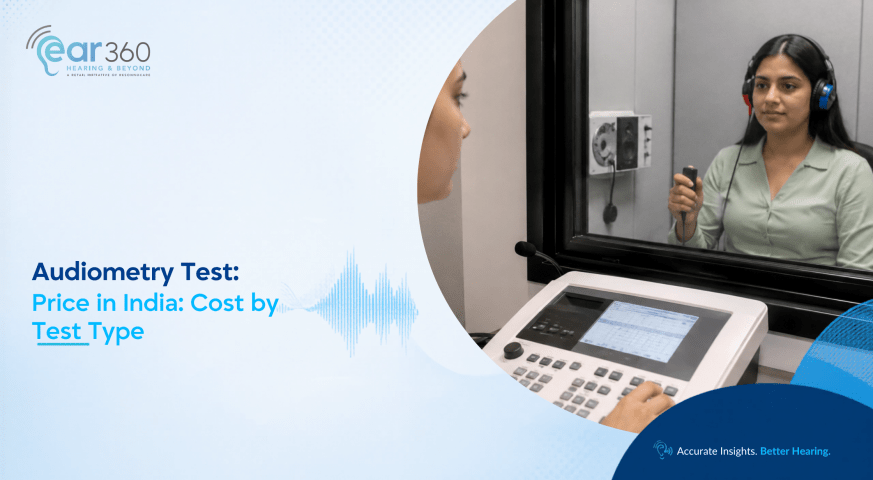
TL;DR: The blog is intended for adults, parents, caregivers, older adults, and patients who have been advised to undergo a hearing test and want to understand audiometry test prices in India. Audiometry Includes Different Test Types: It explains that audiometry is not a single test. Common tests include Pure Tone Audiometry, Speech Audiometry, Tympanometry, and BERA, with each test measuring a different part of hearing function. Cost Varies by Test and Clinical Requirements: The audiometry test price depends on the equipment used, testing time, audiologist’s expertise, clinic location, sedation needs, and whether multiple tests are offered as a package. When Audiometry Testing May Be Needed: The blog highlights symptoms such as difficulty understanding conversations, tinnitus, blocked-ear sensation, ear pain, discharge, dizziness, and suspected hearing loss in children or older adults. Appointment Inclusions and Resonnocare Support: It explains that an appointment may include case-history review, hearing tests, result interpretation, a written report, and recommendations for further testing or hearing care. Resonnocare provides clinically guided testing, transparent pricing, hearing aid trials, home visits, and continued aftercare. One of the initial questions that will come to mind if you have been prescribed an audiometry test is the audiometry test cost. The cost of audiometry will differ significantly depending on the type of test(s) you require, because audiometry is not one single test, but a collection of several. A patient should know exactly what each test is, what it measures, and why the cost of each test can vary- not just one big number. Here at Resonnocare, we believe in that. This blog explains how the price of audiometry testing varies by type of test, factors that affect the cost of the test, and how to decide which is the best type for you. What Is Audiometry? Audiometry is a series of hearing tests that determine the ability of a person to hear sounds at varying levels and pitches. These tests can assist the audiologist in determining if there is hearing loss, what the level of hearing loss is, and what component(s) of the ear and/or auditory system may be affected. The common types of audiometry performed are Pure Tone Audiometry (PTA), Speech Audiometry, Impedance Audiometry or Tympanometry, and Brainstem Evoked Response Audiometry (BERA). These are used for different kinds of diagnostics, so the price of audiometry tests can differ depending on the particular test or tests needed. Why Does Audiometry Test Price Vary by Test Type? The cost of audiometry testing varies due to the type of equipment used, the time required to perform the test, and the technical skill required to perform and interpret the test results. In general, the following is a comparison of the common tests: Pure Tone Audiometry (PTA): This is the most common form of hearing test, which measures the faintest sounds that can be heard at various frequencies ( pitches) using headphones. It is relatively rapid, usually 20-30 minutes, and tends to be lower priced than the other audiometry tests. Speech Audiometry: This test measures how well you hear spoken speech at different levels of volume and is sometimes performed in conjunction with PTA to find a more comprehensive picture of hearing function. It is typically offered as a part of other tests and, therefore, may be included in a bundled test. Tympanometry (Impedance Audiometry): This test measures the movement of the eardrum and middle ear bones to evaluate any conditions that may be causing this, such as fluid behind the eardrum or stiffness of the eardrum. It is a shortened and less complex test and is usually the lower-priced audiometry test. BERA (Brainstem Evoked Response Audiometry): This is a more advanced and objective test used to assess brainstem and auditory nerve reaction to sound and may be performed where there is inadequate clarity from the other tests and/or in infants. The test is usually more costly than routine tests since it takes more sophisticated equipment, skill, and sometimes sedation. These differences are useful to understand when interpreting audiometry test price quotes, as a single price will not necessarily be used for all types of tests. What Factors Influence Audiometry Test Price? In addition to the type of test itself, the following aspects can influence the cost of the audiometry test: The location and facilities of the clinics are also factors that can affect the price. Equipment calibration and quality: Good equipment maintenance and calibration directly impact the reliability of results and may impact cost. Expertise of the audiologist is reflected in tests carried out and interpreted by an experienced person. Bundled audiometry test costs: If more than one test is ordered, for example, PTA along with tympanometry, the cost of these tests in combination may vary from the cost of each test alone. Additional handling or sedation: For young children or patients requiring additional assistance during testing, this may be an extra expense. Due to these factors, you should ask any clinic about the price of audiometry tests – don’t just take a line from the internet. When Should You Get an Audiometry Test Done? Audiometry tests are advised in a variety of instances such as: Trouble understanding conversations, particularly in noisy environments Repeating yourself a lot to get people’s attention Ringing or buzzing in the ear(s) (tinnitus) Infants or young children with suspected hearing loss. Earache, ear discharge, or blocked ears sensation Regular hearing screenings, especially for people over 65 years old Recognizing early signs matters, and reviewing common ear symptoms and conditions can help you understand whether a hearing evaluation is a reasonable next step. When Should You See an Audiologist or Doctor? Sometimes mild hearing difficulties are normal; however, some symptoms require immediate medical intervention irrespective of the audiometry test price. If you have any of the following symptoms, you should see an audiologist or ENT specialist as soon as possible: One or both ears suddenly lose their hearing Severe ear pain Persistent ear discharge Ongoing vertigo or dizziness Tinnitus that persists despite treatment. Persistent hearing loss for more than a few
Read More