Introduction
Your ears play a vital role in hearing and balance, and even minor concerns can affect daily life. At Resonnocare, we diagnose and manage ear-related symptoms and conditions with the aim of preserving hearing function and overall wellbeing. Early identification and timely care help prevent complications and long-term damage.

Ear
Pain
Ear pain may be sharp or dull, mild or severe. Common causes include ear infections, impacted earwax, pressure changes or injury. Children are particularly prone to ear infections. Persistent or severe pain requires professional evaluation.

Ear
Discharge
Any fluid discharge from the ear—clear, yellow, green or blood-stained—should be assessed promptly. Discharge may indicate infection, injury or eardrum problems and should not be ignored.

Hearing
Loss
Hearing loss may develop gradually or occur suddenly. Causes include earwax blockage, infections, ageing, noise exposure or inner ear conditions. Sudden hearing loss is a medical concern and needs urgent assessment.
Tinnitus
Treatment (Ringing in the Ears)
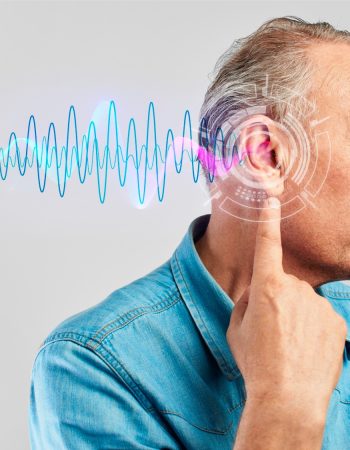
Tinnitus presents as ringing, buzzing or hissing sounds without an external source. While common and often not dangerous, it can affect sleep, concentration and quality of life. Clinical evaluation helps identify causes and management options.

Vertigo, Dizziness &
Balance Disorders
A spinning sensation or imbalance often originates from the inner ear. These symptoms increase the risk of falls and require accurate diagnosis to guide appropriate care.

Blocked Ears & Ear Pressure
A feeling of pressure or blockage in the ear may result from colds, allergies, earwax or Eustachian tube dysfunction. While often temporary, persistent fullness should be evaluated.

Start With Your Symptom, Not a Diagnosis
Ear symptoms can overlap across several different conditions. A blocked ear, tinnitus, pain, hearing difficulty, or dizziness does not automatically tell you what the diagnosis is.
The most useful first questions are:
- Did the symptom start suddenly or gradually?
- Is one ear affected or both?
- Has hearing changed?
- Is there pain, discharge, tinnitus or dizziness?
- Is the problem improving, persistent or worsening?
These details help determine whether you need a routine hearing assessment, medical/ENT evaluation, or more urgent care.
Add These Symptom Cards to the Same Carousel
Gradual Hearing Difficulty
People sound unclear, television volume is increasing or speech in noise is becoming harder to follow.
One-Sided Hearing Change
One ear seems noticeably poorer, especially during phone calls or conversations from one side.
Sudden Hearing Loss
A sudden unexplained reduction in hearing over hours or a few days should not be treated as a routine hearing-aid issue.
Ear Pain or Discharge
Pain, fluid, pus or blood from the ear can indicate an ear condition requiring medical assessment.
Child Speech or Listening Concern
A child may show hearing difficulty through delayed speech, inconsistent responses, listening problems or difficulty following instructions.
Which Ear Symptoms Need More Urgent Care?
What you notice | Recommended direction |
Gradual hearing difficulty | Book a hearing assessment |
Persistent tinnitus with hearing difficulty | Book hearing assessment / clinical review |
Blocked ear without severe symptoms | Arrange ear examination if persistent |
One ear becoming noticeably poorer | Book hearing assessment and discuss whether medical review is required |
Sudden major hearing change | Prompt medical/ENT assessment |
Ear pain with discharge or bleeding | Medical/ENT assessment |
Severe dizziness or vertigo with hearing change | Prompt clinical/medical assessment |
Child speech/listening concern | Age-appropriate hearing assessment |
The page should help users choose the correct pathway instead of trying to identify their own diagnosis from a symptom list.
Audiologist or ENT: Where Should You Start?
Start With an Audiologist When
- Hearing has gradually become difficult
- You need a hearing test
- You want an existing audiogram explained
- Speech is difficult to understand
- You have persistent hearing concerns without urgent medical symptoms
Consider Medical / ENT Care When
- Hearing changes suddenly
- There is significant ear pain
- There is ear bleeding or discharge
- Hearing changes occur with severe dizziness or vertigo
- There is another concerning ear or neurological symptom
Audiology and ENT care are complementary. The appropriate starting point depends on the symptom pattern and urgency.
Common Ear Diseases & Conditions
At Resonnocare, ear conditions are evaluated through detailed clinical examination and appropriate diagnostic tests. Hearing tests, middle ear analysis and specialised audiology assessments help identify the exact cause of symptoms and guide appropriate treatment.
An infection of the outer ear canal, commonly caused by moisture, water exposure or frequent ear cleaning. Symptoms include ear pain, itching and discharge.
How testing helps: Otoscopic examination helps identify infection and inflammation of the ear canal.
Treatment involves medicated ear drops, keeping the ear dry and avoiding further irritation. Earplugs may be advised to protect the ear from water exposure during treatment and recovery, based on clinical assessment.
A common condition, especially in children, often following colds or upper respiratory infections. It may cause ear pain, fever and temporary hearing loss.
How testing helps: Ear examination and middle ear tests help assess fluid and pressure behind the eardrum.
Treatment depends on age and severity and may include medication, monitoring and follow-up.
Occurs when pressure regulation between the ear and throat is impaired, leading to ear fullness, discomfort or muffled hearing. It is often associated with colds, sinus issues or allergies.
How testing helps: Tympanometry helps assess middle ear pressure and Eustachian tube function.
Treatment focuses on managing the underlying cause and relieving pressure symptoms.
A tear or hole in the eardrum caused by infection, trauma or sudden pressure changes, which may lead to hearing loss or discharge.
How testing helps: Ear examination and hearing tests assess the size of perforation and its impact on hearing.
Treatment depends on severity; smaller perforations may heal naturally, while larger ones may need surgical repair.
An abnormal skin growth behind the eardrum that can damage middle ear structures if untreated. It often presents with persistent discharge and hearing loss.
How testing helps: Hearing tests and imaging support diagnosis and treatment planning.
Treatment is usually surgical to prevent further damage.
A disorder of the inner ear characterised by episodes of vertigo, fluctuating hearing loss, tinnitus and ear fullness. How testing helps: Hearing tests track hearing changes and support diagnosis over time. Treatment focuses on symptom control through medication, dietary changes and lifestyle guidance.
An inner ear condition, often viral, causing sudden vertigo, balance disturbance and hearing changes. How testing helps: Hearing and balance assessments help distinguish labyrinthitis from other causes of dizziness. Treatment includes medication to control symptoms and follow-up to monitor recovery.
A non-cancerous tumour affecting the hearing and balance nerve, usually causing gradual hearing loss in one ear. How testing helps: Hearing tests help identify asymmetrical hearing loss, prompting further evaluation. Treatment may involve monitoring, radiotherapy or surgery based on findings.
Abnormal bone growth in the middle ear leading to progressive hearing loss.
How testing helps: Hearing tests help identify conductive hearing loss patterns typical of otosclerosis. Treatment may include hearing devices or surgical options.
A condition where every day sounds are perceived as uncomfortably loud, often associated with tinnitus or hearing changes.
How testing helps: Loudness discomfort testing helps assess sound tolerance levels. Treatment focuses on sound therapy, counselling and gradual sound exposure.
A gradual decline in hearing with age, often affecting speech clarity in noisy environments. How testing helps: Comprehensive hearing tests identify hearing levels and speech understanding difficulties.
Treatment usually includes hearing devices and hearing rehabilitation.
Permanent hearing damage caused by prolonged or sudden exposure to loud sounds. How testing helps: Hearing tests detect characteristic high-frequency hearing loss patterns. Treatment focuses on prevention, hearing protection and hearing devices where required.
Excessive earwax can block the ear canal, causing hearing loss or a blocked sensation. How testing helps: Ear examination confirms wax blockage and rules out other causes. Treatment involves safe, professional removal; cotton buds should be avoided.
How Resonnocare Helps
At Resonnocare, ear conditions are managed through a clinically guided approach that combines accurate testing, careful diagnosis and personalised care planning.
Connect with an EAR360 clinic to schedule an evaluation or speak with our team.
OUR SERVICES – OVERVIEW
At Resonnocare, precise diagnosis forms the foundation of effective care. We use clinically validated diagnostic equipment, supported by experienced clinicians, to ensure every assessment is accurate and every care plan is appropriate. Beyond diagnosis, we support treatment through hearing devices, hearing rehabilitation and therapy services, guided by clinical findings. Our approach focuses on understanding the individual and supporting long-term hearing and communication needs.
FAQ’s
How do I know if I may have hearing loss?
You may have hearing loss if you often ask people to repeat themselves, struggle to follow conversations, turn up the TV or phone volume, or feel that people are mumbling. You may also notice difficulty hearing high-pitched sounds, such as children’s voices, birds, alarms, or certain speech sounds. A professional hearing test is the best way to confirm whether hearing loss is present.
Why can I hear sounds but not understand speech clearly?
Hearing sound and understanding speech are not always the same. Some types of hearing loss make certain speech frequencies harder to hear, especially consonant sounds such as “s”, “f”, “th”, or “t”. This can make speech seem unclear even when the overall volume is loud enough. A hearing assessment can identify which frequencies are affected.
Is difficulty hearing in restaurants or noisy places a sign of hearing loss?
Yes, it can be. Difficulty following conversations in restaurants, meetings, family gatherings, or other noisy environments is often one of the earliest signs of hearing difficulty. Hearing loss can make it harder for the brain to separate speech from background noise. If this happens regularly, a hearing test is worth considering.
Why do I need the TV louder than other people?
Needing the television louder than family members may indicate that certain sounds or speech frequencies are becoming harder for you to hear. It can also happen if speech sounds unclear rather than simply quiet. If others frequently comment that your TV volume is too high, consider having your hearing checked.
Can tinnitus be related to hearing loss?
Yes. Tinnitus, such as ringing, buzzing, humming, or hissing in the ears, commonly occurs alongside hearing loss. Changes in how the ear and auditory system process sound can contribute to tinnitus. However, tinnitus can have several causes, so persistent or bothersome tinnitus should be professionally assessed.
Can hearing loss occur in only one ear?
Yes. Hearing loss can affect one ear more than the other or occur only in one ear. Possible causes include earwax blockage, ear infections, problems with the middle or inner ear, and other hearing conditions. New or unexplained one-sided hearing loss should be evaluated by a hearing professional or ENT specialist.
Which hearing symptoms should be checked urgently?
Seek prompt medical attention if you experience sudden hearing loss in one or both ears, particularly if it develops within hours or a few days. You should also seek assessment for hearing changes accompanied by severe dizziness, weakness, facial drooping, neurological symptoms, significant ear pain or discharge, or tinnitus that pulses in time with your heartbeat. Sudden sensorineural hearing loss can require urgent treatment, so it should not be delayed.