How to Choose an Audiometry Test Centre Near You
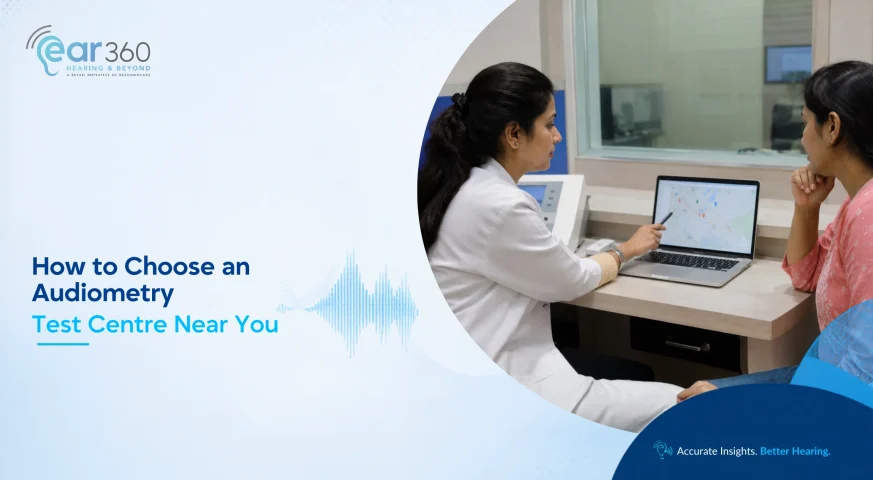
TL; DR: This blog is intended for individuals experiencing hearing difficulties, parents seeking hearing assessments for their children, caregivers of older adults, and anyone searching for a reliable audiometry test centre near them and wanting guidance on choosing the right provider. This explains why choosing the Right Centre Matters: The article highlights that an audiometry test is only as valuable as the quality of the testing environment, equipment, and professional expertise behind it, making centre selection a critical part of hearing care. Provides Practical Criteria for Evaluating Centres: What to look for in a hearing test provider, including qualified audiologists, sound-treated testing rooms, clear result explanations, age-appropriate care, follow-up support, and access to hearing aid services. Describes the Audiometry Testing Process: What happens during an audiometry test, including ear examination, sound booth testing, tone and speech recognition assessments, and audiogram interpretation, helping patients feel more prepared and confident. Emphasizes Comprehensive Hearing Care Beyond Testing: The article discusses the importance of ongoing support after diagnosis, including treatment recommendations, hearing aid trials, monitoring, home visits, video consultations, and long-term hearing care services. When it comes to selecting a hearing test centre, it is not just the distance from the clinic that matters. It is also important that you have confidence that the test will be conducted properly, the results will be clearly communicated, and that your concerns will be listened to. There are a lot of audiometry clinics, hospitals, and diagnostic centres that are offering audiometry tests, and it may be confusing to know which one to trust. Qualified audiologists, appropriate testing equipment, a quiet testing room, and a patient-friendly approach are all hallmarks of the right centre. This guide can help you know what to check in any audiology testing facility that you consider and select the best one that will provide you with accurate testing, instructions, and proper hearing care. Quick Answer: How Should You Choose an Audiometry Test Centre Near You? Choose an audiometry test centre based on the quality of the assessment not distance alone. Look for a qualified audiologist, an appropriate sound-treated testing environment, suitable hearing-test equipment, clear explanation of your results, age-appropriate testing, and a defined next step after the assessment. Before booking, confirm five things: Who will conduct and interpret the hearing test? Where will the hearing test be performed? Which tests are available if PTA alone is not enough? Will the results be explained rather than only handed to you as a report? What happens if the test identifies hearing loss or another ear problem? A centre that is slightly farther away may be a better choice if it provides a more appropriate clinical assessment and clearer follow-up. Who Is This Guide For? This guide can help if you are comparing nearby hearing-test providers and are unsure whether convenience alone is enough to make the decision. It is particularly relevant for: Adults noticing gradual hearing difficulty People struggling to understand speech in background noise Someone referred for an audiometry test by a doctor or ENT Parents arranging a hearing assessment for a child Families helping an older adult arrange hearing care People who need a hearing report for work, school, or documentation Patients with mobility or travel constraints People comparing a clinic, hospital, diagnostic centre, or dedicated audiology provider Anyone who wants to understand what should happen after the hearing test Your age, symptoms, mobility, type of test required, and expected next step can all change which centre is most suitable. What Is an Audiometry Test? An audiometry test is a hearing test used to assess your hearing ability for sounds at different frequencies and intensities. It may assist in diagnosing whether hearing loss exists, suggest the possible cause of the hearing loss, inform about the severity of the hearing loss, and prepare for any subsequent hearing care decisions. Pure tone, speech, and middle ear function test (tympanometry) may be measured during audiometry. The selection of a testing centre is as significant as the actual test, since audiometry is key to diagnosis. Know More About Audiometry Test: Procedure, Cost & How to Read the Results Audiologist Near Me: How to Choose the Right Hearing Specialist Age-Related Hearing Loss: Signs, Causes & Best Treatment Options Why Do People Look for an Audiometry Test Near Them? There are numerous reasons why individuals might look for an audiometry test in their local area. Some experience changes in their hearing; others are referred to the test by a doctor. Common reasons include: Having trouble hearing conversations clearly. Recommendation from a general check-up by a doctor. A family history of hearing loss Auditory test requirements for school, work, or official documentation. Worry that an older family member or parent has a hearing change. It’s easy to reach a clinic, and that is what is important. (to be removed) Limited mobility due to age, illness, or disability that hinders travel. If follow-up visits are required, it can be easier to choose a centre that has a convenient location. This ease of testing, however, should not be made at the expense of accurate testing. Choosing a centre that has a qualified audiologist conducting the test and a clear explanation provided of the results is vital. Near Me vs Right for Me: Which Matters More? Distance matters when repeated appointments are likely, but the nearest centre is not necessarily the most appropriate centre for every patient. Decision factor Why it matters Distance from home Important when mobility is limited or repeat appointments are expected Qualified audiologist Important for selecting the right test and interpreting the result Testing environment Background noise can affect hearing-test reliability Tests available Symptoms may require more than one type of hearing assessment Age-appropriate testing Children and adults may require different approaches Result explanation The report should lead to a clear understanding of what happens next Follow-up availability Useful when monitoring, additional testing, medical referral, or hearing support is needed A practical approach is to first shortlist centres that meet the clinical requirements and then compare distance, convenience,
Read More