Month: November 2026

November 10, 2026 Comments (0)

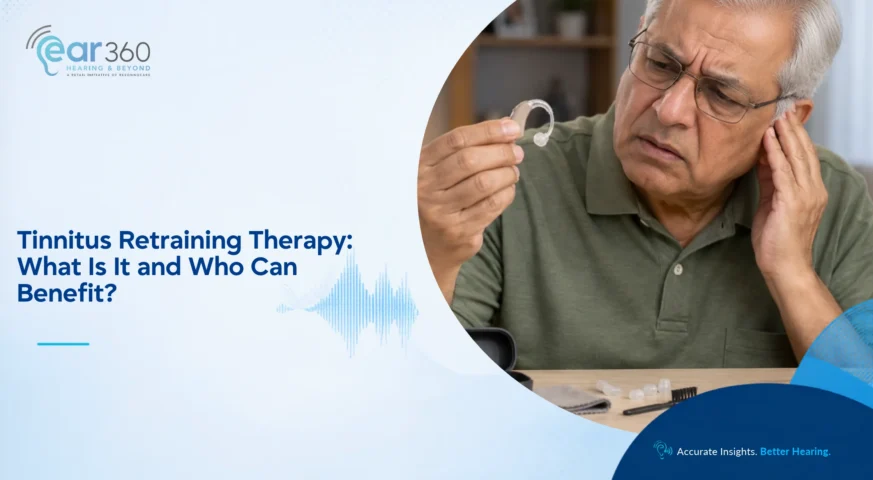
Tinnitus Retraining Therapy: What Is It and Who Can Benefit?

TL; DR: This blog is for people with persistent or bothersome tinnitus, especially those whose symptoms are affecting sleep, concentration, work, social situations, relaxation, or emotional well-being.  Tinnitus Retraining Therapy combines counselling and sound therapy: TRT aims to help people understand tinnitus better and gradually reduce how much attention and emotional significance the brain gives to the sound.  TRT works through gradual habituation, not by instantly removing tinnitus: The goal is for tinnitus to become less intrusive and less disruptive over time, even if the sound itself does not completely disappear.   A professional assessment should come before starting therapy: An audiologist or doctor may review the tinnitus pattern, hearing ability, associated symptoms, noise exposure, and other factors to determine whether TRT or another management approach is appropriate.  Tinnitus management should be personalised: Depending on individual needs, care may include TRT, hearing aids when hearing loss is present, counselling, sound enrichment, sleep support, stress management, treatment of underlying ear problems, or medical referral. Persistent ringing, buzzing, humming or whistling can be difficult to ignore, especially when it begins to affect sleep, concentration or everyday activities. Tinnitus retraining therapy is one strategy that can be used to manage tinnitus when it’s bothersome, and is discussed following a comprehensive hearing and medical evaluation. What Is Tinnitus Retraining Therapy? Traditionally, tinnitus retraining therapy (TRT) combines two elements: counselling and sound therapy. The counselling part helps you to understand what tinnitus is and how your brain reacts to tinnitus. Sound therapy uses carefully selected background sound to reduce the contrast between tinnitus and the surrounding environment. The method is based on the concept of habituation. Your brain does this naturally each day – it’s called habituation. Our brains can “tune out” our clothes, a ceiling fan, or traffic outside the house when they are not relevant to us anymore. The goal of tinnitus management is to promote a shift in attention and reaction. The tinnitus can remain, but the aim is to make it less intrusive and less emotionally significant. Habituation usually takes time, and TRT is not an instant cure for tinnitus. Why Does Tinnitus Sometimes Become So Difficult to Ignore? Not everyone has tinnitus in the same manner. For some, a faint sound is almost imperceptible, but for others, it can be very disturbing. This is partly because the level of distress caused by tinnitus is related to the amount of attention, worry, frustration, and emotional significance that is given to the sound by the brain. You might discover a rhythm, for example: The tinnitus is heard. You start to get concerned about it. You begin to wonder if it’s still there. You are able to maintain focus on the sound. This tinnitus then appears even more noticeable. This cycle can be more challenging due to stress, fatigue, lack of sleep, quiet places, and anxiety regarding the significance of the tinnitus. There’s a reason why an evaluation shouldn’t just focus on how loud your tinnitus sounds. How Does Tinnitus Retraining Therapy Work? A programme of tinnitus retraining therapy generally focuses on changing both your understanding of tinnitus and your response to the sound. Counselling helps you understand what you are hearing When there is no apparent cause for tinnitus, individuals are likely to be concerned that it indicates that something is amiss. Professional counselling can provide you with information about your hearing results, factors that may have contributed to your tinnitus, and why it may be easier to hear in some situations. There is no goal of telling you that the tinnitus is “in your head” or to simply ignore it. Rather, you discover how hearing, focus, feelings, and your nervous system can impact the way you encounter tinnitus. You can hear the difference between sound and silence. The difference between sound and silence is reduced. Tinnitus might be more prominent in very quiet places. Sound stimulation can help to lessen the difference between the background noise and the tinnitus. This can include environmental sound, low-level background sound, sound generators, or hearing aids if hearing loss is also present. Treatment of tinnitus by sound should be tailored on an individual basis, not just overwritten with the loudest possible sound. Who May Benefit From Tinnitus Retraining Therapy? Tinnitus retraining therapy is recommended for individuals with persistent or troublesome tinnitus that is interfering with daily activities. Please consult with an audiologist if you’re having problems with your tinnitus, if it’s impacting: Sleep Concentration Work or studies Relaxation Social situations Emotional wellbeing Your sensitivity to quiet places.How well you can handle being in quiet places. It may also be considered if tinnitus is present and constantly bothers you, or you are increasingly upset when you hear tinnitus. Treatment is different for everyone who experiences tinnitus. Reassurance and education are the primary needs after assessment for some. Some other methods to manage the condition, such as counselling, sound therapy, or hearing support, may be beneficial for others. This will depend on the cause or contributing factors, your level of hearing, your symptoms, and how much your tinnitus is impacting your life. Can Tinnitus Retraining Therapy Help if You Also Have Hearing Loss? It’s true that tinnitus and hearing loss go hand in hand, and that one doesn’t necessarily imply the other. If hearing loss is found during testing, correcting the hearing loss can be included as a component of your tinnitus treatment. Appropriately selected hearing aids can make environmental sounds and speech more accessible. For some people with both hearing loss and tinnitus, this also reduces the contrast between tinnitus and everyday sound. Recommendation of a hearing aid, however, must be based on the communication requirements and hearing assessment of the individual and not just because they have tinnitus. A professional hearing assessment can help to identify if there is a hearing loss and what type of support could be available. What Happens Before Tinnitus Retraining Therapy Begins? The initial step is to get a correct diagnosis of your tinnitus symptoms before starting tinnitus retraining therapy.

Read More
Government Schemes For Hearing Aids In India
November 10, 2026 Comments (0)

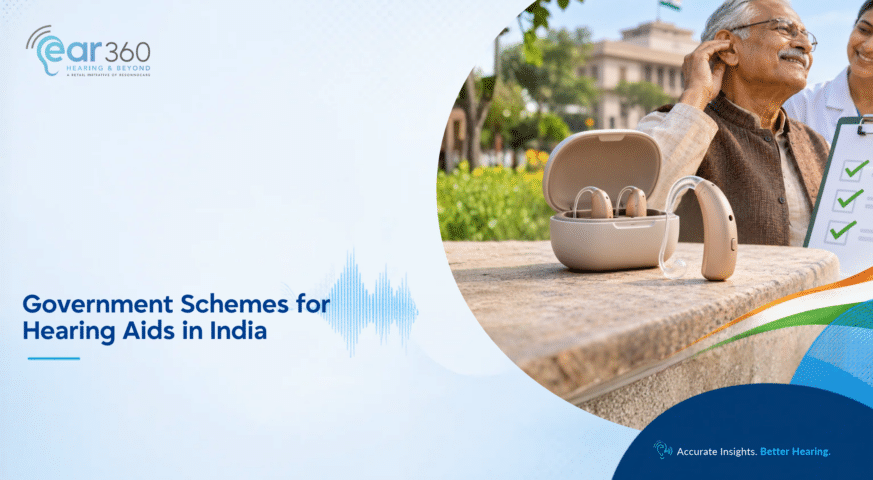
Government Schemes for Hearing Aids in India

TL; DR: This blog targets individuals with hearing loss, senior citizens, parents of children with hearing disabilities, caregivers, Central Government employees, and pensioners seeking financial assistance or reimbursement for hearing aids in India. Major Government Schemes: Explains three important government healthcare and assistance schemes, ADIP, CGHS, and Ayushman Bharat PM-JAY, highlighting their eligibility requirements, benefits, and limitations regarding hearing aid coverage. Eligibility and Required Documents: Covers essential requirements such as disability certificates, UDID cards, Aadhaar details, income documentation, CGHS cards, ENT prescriptions, and hearing assessment reports needed for applicable government assistance. Application Process and Hearing Aid Support: Provides a step-by-step guide to accessing government assistance, from completing hearing assessments and identifying eligible schemes to preparing documents, obtaining approvals, and proceeding with hearing aid fitting. Resonnocare’s Role in Hearing Care: Highlights how Resonnocare and EAR360 support patients through professional hearing assessments, audiology consultations, hearing aid recommendations, fitting, and aftercare, while clarifying that government authorities determine scheme eligibility and reimbursement approvals. Hearing loss may encompass more than just hearing sounds. This can create problems communicating with family members, lack confidence in social settings, and make it difficult to comprehend the speech of others. For many families, making the right decision about hearing care is essential – and it’s hard to know just what to expect. Luckily, India has some government initiatives for hearing aids which can assist eligible people to obtain hearing devices or help with the assistance of approved schemes. There are a number of patients and families at Resonnocare who will ask themselves if they qualify for any of the schemes, what paperwork they should be preparing, and how to get started. This guide details the main schemes, the eligibility criteria, and steps that you can take before applying. What Government Schemes for Hearing Aids Are Available in India? There are a number of disability and healthcare assistance programs in India sponsored by the government. But not all programmes actually offer hearing aids. There are three major schemes to learn about: ADIP Scheme: Assists eligible persons with disabilities to access approved assistive devices, such as hearing aids, subject to the conditions of the scheme. Central Government Health Scheme (CGHS): Hearing aids are available for eligible beneficiaries under the Central Government Health Scheme (CGHS) with medical approval and according to the applicable rules. Trained Health Workers: They are in charge of providing treatment in the hospital. If not specified, don’t assume that coverage for routine hearing aids will be available. The eligibility criteria for programmes will depend on your disability certification, employment status, medical needs, etc. There may be other arrangements for some state government health services as well. Patients need to verify with the state government hospital or the authorised agency whether hearing aids are provided. How Does the ADIP Scheme Help People With Hearing Loss? Assistance to Persons with Disabilities for Purchase/Fitting of Aids/Appliances (ADIP) Scheme is being run by the Department of Empowerment of Persons with Disabilities, Ministry of Social Justice and Empowerment. It is designed to support and facilitate those people who are entitled to assistive devices, such as devices to communicate, to move, for independence, and to perform tasks in daily life. One of the Govt schemes applicable to people with a certified hearing disability is ADIP. Who Is Eligible for the ADIP Scheme? The updated guidelines, released in September 2024, gave the following general requirements: Should be an Indian Citizen. Have a disability certificate showing at least 40% disability. Possess a UDID card/ enrolment number. Have an Aadhaar number or Aadhaar enrolment details. Must meet the required household income eligibility standards. Conform to the conditions set forth by the scheme for the payment of assistance already received. Income of guardian may be considered in determining eligibility for a child or dependent person. Please note: The above revised ADIP guidance applies until 31 March 2026. Candidates are advised to verify the applicable rules before applying, as the rules will be subject to change in accordance with the prevailing rules of the department/implementing agency. The CGHS documents mentioned in this article do not reflect the current eligibility of ADIP. Which Hearing Devices Are Available Under ADIP? The programme has been expanded to include approved hearing devices such as some behind-the-ear devices. Eligibility of the specific devices shall be based on clinical assessment and as per the scheme guidelines and availability from authorised agencies. In addition, the programme has provided support for cochlear implants for eligible children based on clinical and administrative criteria. A cochlear implant may not be suitable for everyone with a hearing loss. Extensive examination by an otolaryngologist (ENT) and an audiology specialist is very important. How Can You Apply for the ADIP Scheme? The first step should be to make contact with an approved implementing agency (such as ALIMCO), District Disability Rehabilitation Centre, or any approved rehabilitation organisation. Please bring your disability certificate, identification papers, income, and hearing assessment paperwork before submitting your application. The authorized agency must be able to verify existing eligibility, documentation, and application procedures. Can CGHS Beneficiaries Get Hearing Aids Through Government Support? Central Government Health Scheme provides health benefits to government employees, pensioners, and their dependants who are eligible under the scheme. For beneficiaries who qualify, they can receive reimbursement for the cost of hearing aids in accordance with the rules of CGHS. But it needs to be backed up by medical documentation and approval. This is one of the government schemes for hearing aids that government employees or pensioners should consider. The Ministry of Health & Family Welfare (MoHFW) in its OM dated 9 September 2026 has announced that CGHS & CS(MA) beneficiaries are eligible for reimbursement of clinically prescribed standard digital programmable and rechargeable hearing aids. Maximum reimbursable costs are the actual expenses or ₹30,000 per ear, whichever is lower. If both ears are given two hearing aids for clinical reasons, the reimbursement can be up to ₹60,000, which is based on the actual cost incurred and the following conditions. Quantity includes: GST & applicable taxes,

Read More
Signia vs Phonak vs ReSound_ Which Hearing Aid Is Best_ (1)
November 10, 2026 Comments (0)

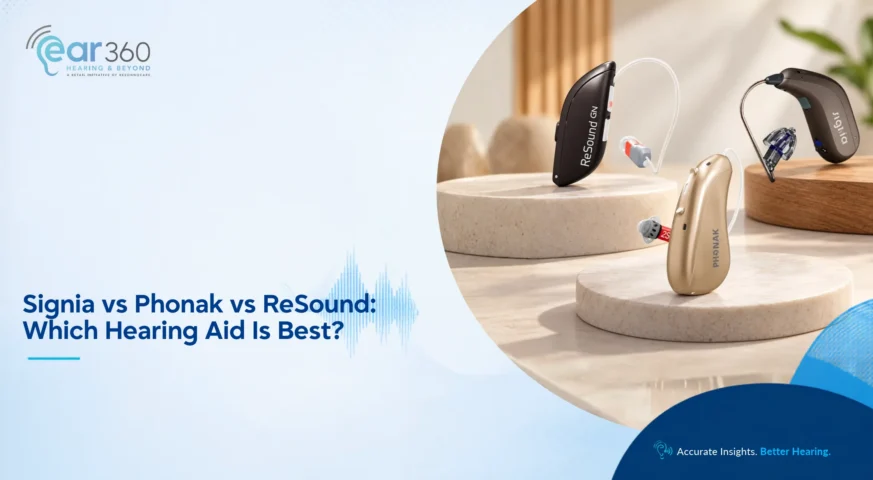
Signia vs Phonak vs ReSound: Which Hearing Aid Is Best?

TL;DR: The blog targets individuals with hearing loss, senior citizens, caregivers, and families comparing Signia, Phonak, and ReSound hearing aids before making a purchase decision. Comparison of Leading Hearing Aid Brands: Explains the key differences between Signia, Phonak, and ReSound in terms of sound processing, speech clarity, noise reduction, Bluetooth connectivity, and technology. Speech Clarity and Background Noise Performance: Highlights how each brand supports speech understanding in challenging listening environments, including restaurants, meetings, and group conversations. Comfort, Connectivity, and Battery Features: Compares rechargeable options, smartphone compatibility, discreet designs, ease of handling, and suitability for senior citizens. Choosing the Right Hearing Aid: Emphasizes the importance of hearing assessments, comparing models and prices, professional fitting, and hearing aid trials with guidance from Resonnocare audiologists. With so many popular hearing aid brands offering enhanced sound technology and increased comfort, and claiming to provide clarity in conversations, it can be difficult to make a choice. When comparing Signia vs Phonak, you might also be thinking about whether ReSound would be a better choice for your daily hearing requirements. All three brands are also producing high-end digital hearing aids, but they have different sound processing, connectivity, design, and features. This is something we often have to reiterate at Resonnocare: The most expensive or high-tech hearing aid is not always the best. It is the one that is best for your hearing loss, communication challenges, lifestyle, and comfort. Before making a decision, it’s important to understand what matters from a patient’s point of view, and this guide provides a comparison of Signia, Phonak, and ReSound. Signia vs Phonak vs ReSound: What Are the Main Differences? Signia, Phonak, and ReSound are trusted hearing aid brands with a range of hearing aids for various levels of hearing loss. Their high-quality hearing aids feature digital sound processing, which helps them hear speech more clearly and reduce background noise. Their technologies, however, differ from the way in which people listen on a day-to-day basis. Let’s do an example. Feature Signia Phonak ReSound Key technology focus Speech recognition and conversation monitoring Automatic Sound Adaptation and Speech Understanding Sound processing and connected listening. Be able to speak in noisy environments. On some of the models, there is an advanced multi-speaker processing feature. Selected models with dedicated speech-in-noise processing. Adaptive Directional and Noise Management (ADN-M). Bluetooth connectivity Including on some of the more recent models. Support for devices with similar connectivity (Broad) on compatible models Supported models: Bluetooth LE Audio on supported models. Rechargeable options Yes Yes Yes Discreet designs Selected in-canal and receiver-in-canal varieties are acceptable. Selected in-canal and receiver-in-canal styles are acceptable. Receiver in the ear and others Compact receiver-in-canal and other styles. Smartphone applications Signia app myPhonak ReSound Smart 3D Best suited for Patients who value the discussion and privacy in options.Patients who value discussion and privacy in options. Patients prioritising adaptable listening and connectivity Patients who would like to have natural hearing and compatible wireless technology The differences are not between all the hearing aids sold under each brand, but only the available product families. The choice will vary depending on specifics of the model, technology, and professional fitting. Signia vs Phonak: Which Is Better for Speech Clarity? A common issue for those who have hearing loss is hearing faintly but not understanding words. This is especially apparent in restaurants, family, and offices. How does Signia support conversations? The Integrated Xperience (IX) technology in Signia is intended to analyze speech in situations where multiple people may be speaking. For some models, RealTime Conversation Enhancement technology tracks real-time conversation dynamics. It can be helpful if you attend meetings, social events, or family functions frequently with a lot of different speakers. Discreet designs are also available with Signia, such as some Signia rechargeable in-canal hearing aids. How does Phonak support speech understanding? The Infinio technology from Phonak automatically handles various listening situations. For the selected models of the Audéo Sphere Infinio by Phonak, special processing technology has been built into the device to enhance speech intelligibility in difficult listening environments. These features can be useful in situations like listening in restaurants, in public places, or in group discussions. Which one should you choose? When it comes to choosing between Signia and Phonak for speech clarity, it is hard to say which is better. Your results are dependent on your hearing test, type of hearing loss, the hearing loss device, and how well it’s programmed. A trial with a hearing aid, conducted with the guidance of an audiologist, can enable you to contrast the speech understanding you gain while using a hearing aid with your speech understanding without one. Signia vs Phonak vs ReSound: Which Is Best for Background Noise? Some of the most difficult challenges for hearing aid users are background noise. Occasional traffic noise, fans, conversations, and television noise may all occur simultaneously, making listening to speech difficult. To cope with these situations, modern hearing aids are equipped with a number of features including directional microphones, noise management and automatic sound processing. Signia’s technology is designed with conversations in mind, and it seeks to make it easier to follow group conversations. Phonak automatically classifies sounds, and in some high-end models it includes a specific function for speech-in-noise. With intelligent sound processing, ReSound’s advanced devices, such as the Vivia family, help individuals understand speech in challenging listening situations. But noise reduction is not the elimination of unwanted noises. The Signia vs. Phonak decision is to be based on the weakest part of your system. A person who is in office meetings a lot might have listening needs that vary from a person who mainly talks at home. We suggest discussing these difficulties, instead of selecting a device based on the features advertised, at your hearing assessment. Which Hearing Aid Offers Better Bluetooth Connectivity? Patients who rely on their mobile phones, video communications, music streaming, or TV audio are increasingly relying on Bluetooth. It’s important to recognize that connectivity is different in some devices than others when comparing Signia vs. Phonak.

Read More

Resonnocare Health-Tech Private Limited Provides hearing and audiology services through a structured, clinically guided approach.

Popular Clinic Locations:

Delhi | Bangalore | Pune | Ludhiana | Indore | 

Tumkur | Mysore | Mangalore

contact info

RESONNOCARE HEALTH-TECH PVT. LTD

Head Office 403, Office Block ‘C’

4th Floor – Above Retail Block R1 & R5,

M3M URBANA, Sector 67, Gurgaon 122101 Haryana

2026, All rights reserved by Resonnocare  health-tech private limited

✓ 14-Day FREE Hearing Aid Trial • Try Before You Decide Chat on WhatsApp → ✓ 14-Day FREE Hearing Aid Trial Call Now →