Month: June 2026

Digital-Hearing-Aids-Features-Benefits-Price-How-They-Work
July 19, 2026 Comments (0)

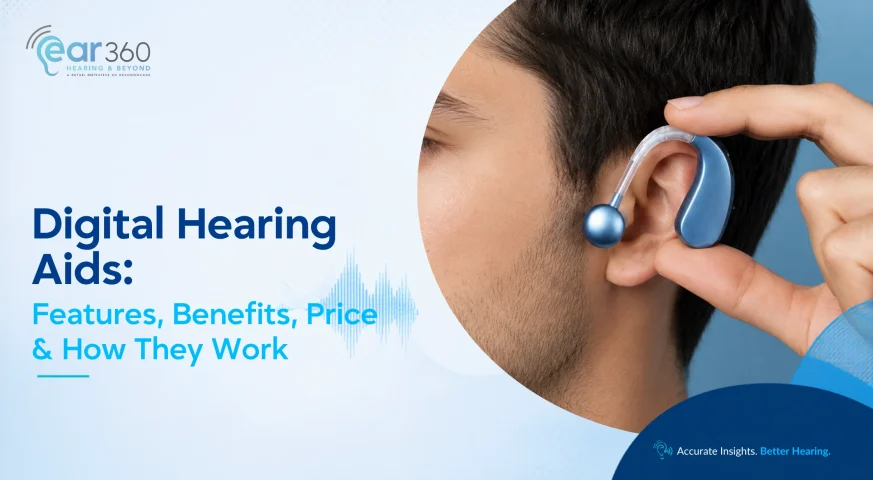
Digital Hearing Aids: Features, Benefits, Price, and How They Work

TL:DR; This blog is written for people researching digital hearing aids for themselves or a family member, especially those who want to understand how they work, what features matter, and how to choose the right device with clinical guidance. Digital hearing aids offer more precise hearing support than older analog devices. They convert sound into digital signals, process them through microchip technology, reduce background noise, and amplify speech based on the user’s hearing profile. Key features include noise reduction, directional microphones, Bluetooth, feedback control, multiple listening programs, and tinnitus support. These features help users hear better in different environments, such as conversations, outdoor settings, phone calls, and noisy places. Price depends on technology level, not just appearance. Basic models support everyday hearing needs, and mid-range models offer better noise handling and connectivity, while advanced models may include AI-powered processing, rechargeable batteries, and premium sound quality. The right hearing aid should be selected after a proper hearing assessment and real-life trial. Resonnocare highlights the importance of audiologist-led evaluation, device programming, free hearing aid trials, and ongoing aftercare to ensure the hearing aid fits the patient’s lifestyle and hearing needs.   Digital hearing aid prices in India may range from approximately ₹20,000 to more than ₹4,00,000 per device, depending on the style, brand, processing level, features, warranty, and clinical services included. Prices are commonly quoted per hearing aid rather than per pair. The most expensive digital hearing aid is not automatically the best one. The most suitable device is the one that matches the hearing test results, communication needs, lifestyle, comfort, handling ability, and budget. When you begin looking for a hearing aid for yourself or a family member, the term “digital hearing aid” appears almost everywhere. It may sound advanced, but it is not always clear what “digital” actually means or how it can improve everyday hearing. With so many models, features, and price ranges available, choosing the right device can quickly become confusing. A hearing aid may include modern technology, but it will only be helpful if it is suitable for your hearing loss, properly programmed, and comfortable to use. Digital hearing aids are designed to process sound more precisely, reduce the effect of some unwanted background sounds, and make speech more accessible in different listening situations. However, the experience can vary depending on the technology level, fitting, speech-understanding ability, listening environment, and individual hearing needs. This guide explains how digital hearing aids work, their key features, benefits, limitations, price ranges, styles, and what to consider before choosing one. At Resonnocare, our audiologists help patients and families understand their options clearly so they can make a confident and informed decision. This article provides general educational information. Hearing aid selection should follow an appropriate hearing assessment and should not replace medical evaluation when sudden hearing loss, severe dizziness, ear pain, discharge, or bleeding is present. What Are Digital Hearing Aids? Digital hearing aids are small electronic devices that make sounds clearer and easier to hear. They collect sound through a microphone, process it using a tiny computer chip, and deliver the adjusted sound into your ear. Unlike older analog hearing aids, which mainly amplified incoming sound through continuous electrical signals, digital hearing aids can process different parts of sound separately. For example, they may make speech more accessible while reducing the emphasis placed on certain steady background sounds. They can also adjust particular pitches according to your hearing-test results. This sound processing happens almost instantly, so you usually do not notice the technology working. The hearing aid responds to the environment and provides sound that is more suitable for your hearing needs. Most hearing aids available today use digital technology. An audiologist can program the device according to your hearing loss, comfort, and daily listening situations. Proper fitting and adjustment are important because the same hearing aid may need different settings for different people. A hearing aid has a microphone, amplifier or processor, and speaker or receiver. The microphone captures sound, the processor modifies it, and the receiver delivers the processed sound into the ear. Digital hearing aids do not repair damaged inner-ear structures or restore hearing to normal. They are designed to improve access to sound and communication for suitable users. Who Should Consider Digital Hearing Aids? A digital hearing aid evaluation may be appropriate if you or a family member: Frequently asks people to repeat themselves Finds that speech sounds unclear or muffled Struggles to understand conversations in restaurants, meetings, or family gatherings Increases the television or telephone volume Has difficulty understanding telephone conversations Misses doorbells, alarms, announcements, or high-pitched voices Experiences listening fatigue Avoids conversations because hearing feels difficult Has been diagnosed with sensorineural, conductive, or mixed hearing loss for which amplification may be appropriate Already uses hearing aids but requires replacement, reprogramming, or updated features Needs improved phone, television, meeting, or remote-microphone connectivity Has tinnitus alongside hearing loss and may benefit from amplification or sound-support features Has been advised by an audiologist or ENT specialist to consider hearing rehabilitation Digital hearing aids are available for children and adults, but pediatric fitting requires age-appropriate assessment, specialist programming, regular monitoring, and caregiver involvement. Who Should Not Buy a Digital Hearing Aid Without an Assessment? Do not purchase a hearing aid solely from an online listing, advertisement, or product demonstration when: Hearing loss developed suddenly Only one ear appears affected There is severe ear pain, discharge, bleeding, or persistent blockage Hearing changes are accompanied by severe dizziness The user is a child Hearing loss may be severe or profound Speech understanding is unusually poor There is a history of ear surgery Previous hearing aids have provided little benefit The type and degree of hearing loss are unknown The patient has significant vision, dexterity, memory, or neurological concerns Sudden hearing loss is considered a medical emergency and should not be managed by purchasing a hearing aid without urgent medical evaluation. Digital Hearing Aids vs Analog Hearing Aids Feature Digital Hearing Aids Analog Hearing Aids Sound processing Converts sound into digital

Read More
Rechargeable-Hearing-Aids-Benefits-Battery-Life-Price-Suitability
July 19, 2026 Comments (0)

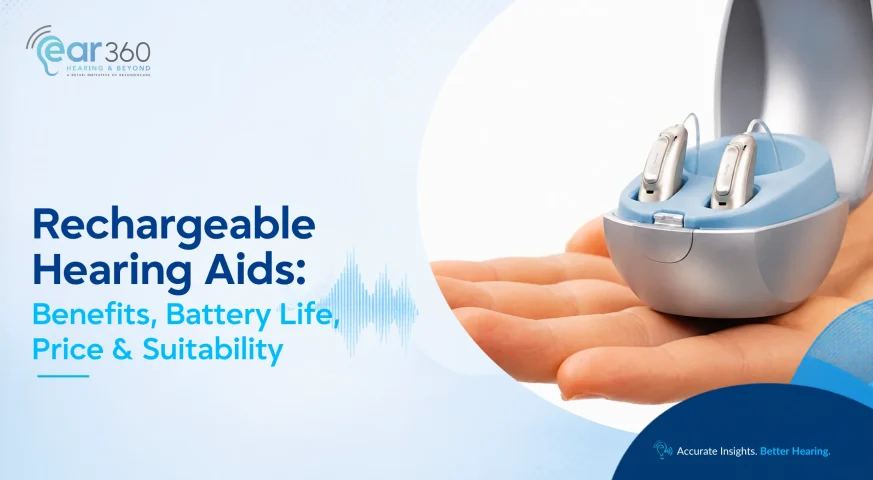
Rechargeable Hearing Aids: Benefits, Battery Life, Price, and Suitability

TL: DR; The blog targets people with hearing loss, older adults, caregivers, and family members considering rechargeable hearing aids and comparing them with disposable-battery models. How rechargeable hearing aids work: These hearing aids use built-in or removable rechargeable batteries and are generally charged overnight in a charging case. Most modern models use lithium-ion technology. Battery life and convenience: Most rechargeable hearing aids provide approximately 16–24 hours of use on a full charge. They are easier to handle, especially for seniors and people with arthritis or reduced hand dexterity. Benefits and limitations: Rechargeable models reduce battery waste, provide consistent power, and often include Bluetooth connectivity. However, they require regular access to electricity, may be less flexible during emergencies, and can require professional battery servicing after several years. Suitability and purchasing decision: Rechargeable hearing aids are best suited to users with predictable charging routines who value convenience and low maintenance. A hearing assessment, professional recommendation, and trial period can help determine whether they match the user’s hearing needs, lifestyle, and budget. The best rechargeable hearing aid is not simply the model with the longest advertised battery life. It should be clinically suitable, comfortable to handle, correctly programmed, supported by dependable aftercare, and able to last through the user’s typical day. Changing tiny hearing aid batteries every few days can be inconvenient, especially for older adults or anyone who finds small batteries difficult to handle. There is also the worry of the battery running out during a conversation, while travelling, or at an important appointment. Rechargeable hearing aids offer a simpler alternative. Instead of replacing disposable batteries, you place the hearing aids in their charging case, usually overnight, and they are ready to use the next day. This can make daily hearing care easier, more convenient, and less stressful. However, rechargeable hearing aids are available in different styles, technology levels, and price ranges. Battery life, charging time, features, charger design, quick-charging capability, portable-charging options, and suitability can vary from one device to another. This guide explains how rechargeable hearing aids work, their benefits and limitations, how much they may cost, and what to consider before choosing one. At Resonnocare, our audiologists can help you find an option that suits your hearing needs, lifestyle, comfort, and budget. This article provides general educational information. Hearing aid selection should follow an appropriate hearing assessment and should not replace medical evaluation when symptoms such as sudden hearing loss, severe dizziness, ear discharge, bleeding, or significant ear pain are present. What Are Rechargeable Hearing Aids? Rechargeable hearing aids have a built-in or removable rechargeable battery instead of the small disposable battery used in traditional hearing aids. Most current rechargeable hearing aids contain a lithium-ion battery and are placed in a compatible charging case, much like a mobile phone is connected to a charger. Charging time varies by model. Some devices take approximately two to four hours to reach a full charge, while selected chargers also provide a shorter quick-charge option for several additional hours of use. Today’s rechargeable hearing aids commonly use lithium-ion battery technology, which is designed to deliver stable power throughout the day and support repeated charging cycles. ASHA describes rechargeable hearing aids as devices with built-in lithium batteries that remove the need to regularly purchase and replace disposable batteries. Some models and older rechargeable systems may use removable rechargeable batteries, although the availability of these designs varies by manufacturer and product generation. “Rechargeable hearing aids have removed one of the biggest daily barriers to consistent hearing aid use: the frustration of managing tiny disposable batteries. For older adults especially, placing the device in a charging case each night may make daily hearing aid use simpler and more consistent.” Resonnocare – EAR360 Audiology Clinics How Do Rechargeable Hearing Aids Work? Rechargeable hearing aids work in the same basic way as other digital hearing aids. Microphones collect sound, a digital processor adjusts the sound according to the programmed hearing profile, and a receiver delivers the processed sound into the ear. The difference is the power source. Instead of opening a battery compartment and inserting a disposable zinc-air battery, the user places the hearing aids in a compatible charger. Electrical energy is stored in the rechargeable battery and powers the device when it is worn. A typical daily routine involves: Removing the hearing aids before sleeping Cleaning visible wax or moisture Placing the right and left devices in the correct charging ports Checking that the charging indicators appear Leaving the devices to charge for the recommended period Removing them from the charger before use Checking the battery level through the hearing aid indicator or smartphone application where available Some rechargeable devices turn off automatically when placed in the charger and turn on when removed. The exact operation depends on the model and charger. Rechargeable vs Disposable-Battery Hearing Aids Feature Rechargeable Hearing Aids Disposable-Battery Hearing Aids Power source Built-in or selected removable rechargeable battery Replaceable zinc-air battery Daily routine Place the device in a charger Replace the battery when depleted Battery handling No frequent handling of tiny batteries Requires opening the compartment and inserting batteries Power during travel Requires charger, power bank, or available electricity Spare batteries can be carried and replaced immediately Battery waste Generates less routine disposable-battery waste Used batteries must be replaced and disposed of regularly Upfront cost May include a higher device or charger cost May have a lower initial price in some technology levels Ongoing cost May eventually require battery or charger servicing Requires repeated battery purchases Bluetooth use Commonly available, depending on model Also available in many disposable-battery models Emergency flexibility Depends on remaining charge and charger access A depleted battery can usually be replaced immediately Dexterity needs Often easier for people who struggle with small batteries May be difficult for users with reduced hand control or vision Neither option is automatically better for every patient. The correct choice depends on the user’s daily routine, travel, access to electricity, handling ability, streaming use, hearing-loss level, device style, and budget. How Long Does

Read More
Audiologist-Near-Me-How-to-Choose-the-Right-Hearing-Specialist
July 19, 2026 Comments (0)

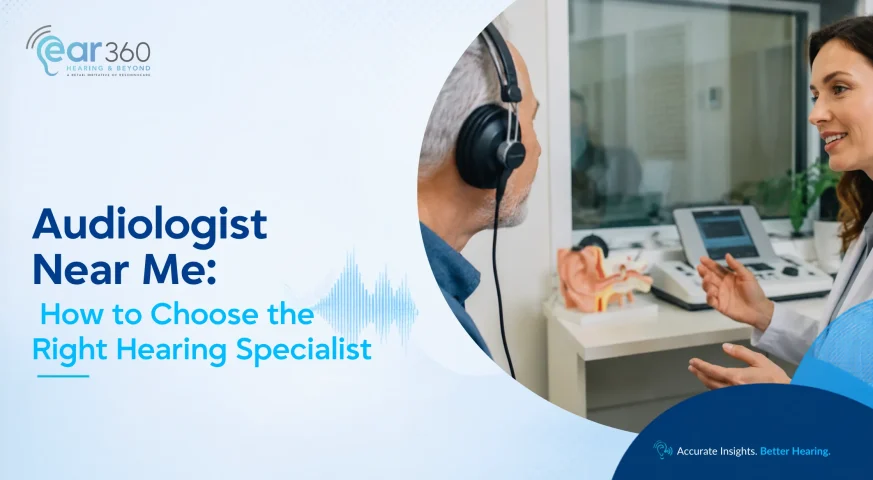
Audiologist Near Me: How to Choose the Right Hearing Specialist

TL: DR; This blog is for people searching for an audiologist near them, especially adults with hearing difficulty, seniors with age-related hearing loss, parents concerned about a child’s hearing, and anyone experiencing tinnitus, muffled hearing, or trouble understanding speech. An audiologist does more than selling hearing aids. They assess hearing problems, conduct hearing evaluations such as pure-tone audiometry, speech audiometry, and tympanometry, explain the reports, identify the type of hearing loss, and recommend the appropriate care plan. Early warning signs should not be ignored. Repeatedly asking people to repeat themselves, increasing TV or phone volume, struggling in noisy places, ringing in the ears, blocked-ear sensation, or delayed response to sound in children are signs that a hearing evaluation may be needed. Choosing the right audiologist depends on clinical quality and aftercare. Patients should look for appropriate qualifications, detailed hearing testing, experience with their specific concern, access to multiple hearing aid options, and post-fitting support, such as programming, counseling, and follow-ups. The best audiologist near you may not simply be the closest clinic. Look for a professional who conducts appropriate testing, explains the findings clearly, recommends only clinically suitable care, and provides continued support after the first appointment. It may be frustrating to find conversations difficult to follow, to have to ask people to repeat themselves, to turn up the volume on the television, or to experience constant ringing in the ears. It is at this stage that people begin to search for an “audiologist near me” they can rely on for hearing care. Selecting an audiologist is not simply a matter of choosing the closest audiology clinic. It is about finding a qualified hearing specialist who can properly assess your hearing, explain your hearing-test results in a simple manner, and inform you about the appropriate hearing care based on your age, symptoms, lifestyle, and listening needs. From a baby who has been referred for early hearing-screening support to older adults and seniors experiencing hearing loss, tinnitus, hearing aid problems, or age-related hearing changes, our clinical team is available to assist. This guide will help you understand when you should see an audiologist, what an audiologist does, what happens during an appointment, and how to find one. This article provides general educational information and does not replace an individual hearing assessment, medical diagnosis, or advice from an ENT specialist or another qualified healthcare professional. What Is an Audiologist? An audiologist is a healthcare professional trained to assess, identify, manage, and rehabilitate hearing and balance disorders in people of all ages. Audiologists work with newborns, children, adults, and older people who experience hearing loss, tinnitus, sound sensitivity, balance difficulties, or problems using hearing devices. Audiologists may provide: Hearing screening and diagnostic assessment Pure-tone and speech audiometry Middle-ear testing OAE and BERA or ABR testing Pediatric hearing assessment Hearing aid evaluation, fitting, and programming Cochlear implant candidacy support and rehabilitation Tinnitus assessment and counselling Balance and vestibular testing where available Hearing-conservation and noise-protection advice Assistive listening-device recommendations Communication and auditory rehabilitation Referrals for medical or specialist care Audiologists assess and rehabilitate hearing and balance disorders, but they are not medical doctors and do not perform ear surgery. Audiologists and ENT specialists often work together when a patient requires both audiological and medical care. What Does an Audiologist Actually Do? An audiologist is a trained healthcare professional who specializes in the assessment, identification, management, and rehabilitation of hearing and balance disorders. They can perform a thorough hearing evaluation, which includes pure-tone audiometry, speech audiometry, tympanometry, and other tests, and explain the results and what they mean for your hearing health. Important: An audiologist is not a hearing aid salesperson. Their job is more comprehensive: determining the type and extent of hearing loss and creating a plan of care to meet your personal needs. They also coordinate with ENT specialists or other medical practitioners, if needed, for cases that require further investigation. Depending on the patient’s needs and the services available at the clinic, an audiologist may also: Examine the ear canal and eardrum before testing Assess the impact of hearing loss on communication Recommend hearing aids or assistive devices Program and verify hearing aids Provide hearing aid trials Teach patients and caregivers how to use and maintain devices Monitor changes in hearing Support people with tinnitus Assess selected balance symptoms Provide auditory rehabilitation and communication strategies Refer patients to an ENT, neurologist, pediatrician, speech-language therapist, or another professional An audiologist’s recommendation should be based on the assessment results and the patient’s communication needs, not on the need to sell a particular device. Audiologist vs ENT vs Hearing Aid Dispenser Professional Primary Role Common Services When You May Need Them Audiologist Assessment and rehabilitation of hearing and balance disorders Hearing tests, hearing aid fitting, tinnitus support, balance testing, and auditory rehabilitation Hearing difficulty, tinnitus, hearing aid needs, or selected balance concerns ENT specialist Medical and surgical care for ear, nose, and throat conditions Diagnosis, medication, procedures, surgery, and management of ear diseases Ear pain, discharge, infection, sudden hearing loss, structural problems, or surgery Hearing aid dispenser or technician Device supply or selected hearing-aid-related services, depending on training and local regulations Product demonstration, basic fitting support, maintenance, or earmould services Device-related support under an appropriate clinical care pathway Speech-language therapist Assessment and treatment of speech, language, voice, fluency, and communication difficulties Speech and language therapy, communication development, and rehabilitation Speech delay, language delay, articulation concerns, or communication difficulties An audiologist and an ENT are not interchangeable. The audiologist evaluates hearing and supports rehabilitation, while the ENT investigates and treats medical or surgical ear conditions. Many patients benefit from coordinated care between both professionals. Who Should Search for an Audiologist Near Me? Consider booking an appointment with an audiologist if you or a family member: Frequently asks people to repeat themselves Feels that people mumble Struggles to understand conversation in background noise Turns the television or telephone volume higher than others prefer Has difficulty understanding telephone calls Misses doorbells, alarms, announcements, or high-pitched voices Experiences persistent

Read More

Resonnocare Health-Tech Private Limited Provides hearing and audiology services through a structured, clinically guided approach.

Popular Clinic Locations:

Delhi | Bangalore | Pune | Ludhiana

contact info

RESONNOCARE HEALTH-TECH PVT. LTD

Head Office 403, Office Block ‘C’

4th Floor – Above Retail Block R1 & R5,

M3M URBANA, Sector 67, Gurgaon 122101 Haryana

2026, All rights reserved by Resonnocare  health-tech private limited