

TL: DR;
This blog is intended for individuals experiencing possible hearing difficulties, their family members and caregivers, and anyone seeking clear information about hearing loss, testing, and treatment options.
How Do We Hear?
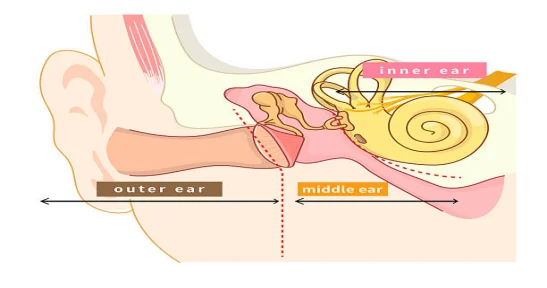
Think of your ear as a microphone connected to a computer.
- Sound enters the outer ear.
- The eardrum vibrates.
- Tiny bones in the middle ear amplify and transmit the vibrations.
- The cochlea in the inner ear converts the vibrations into electrical signals.
- The hearing nerve carries those signals towards the brain.
- The brain interprets the signals as speech, music, warnings, and other sounds.
When any part of this process is affected, hearing may become difficult.
Hearing is not controlled by the ear alone. The ear collects and converts sound, while the hearing nerve and brain help identify, organize, and understand it. This is why some people can detect that a sound is present but still struggle to understand speech clearly.
Key Facts About Hearing Loss
- Hearing loss can affect infants, children, teenagers, adults, and older people.
- It may develop gradually or occur suddenly.
- It can affect one ear or both ears.
- A person may hear some sounds normally while missing others.
- Hearing loss can be temporary, permanent, stable, or progressive, depending on the cause.
- Not everyone with hearing loss requires the same treatment or hearing technology.
- A hearing screening can identify possible difficulty, but a complete audiological assessment is needed to understand the type and degree of hearing loss.
- Early evaluation can help identify treatable causes and reduce delays in receiving suitable support.
More than 1.5 billion people globally live with some degree of hearing loss. The World Health Organization projects that nearly 2.5 billion people could have some degree of hearing loss by 2050, with more than 700 million requiring hearing rehabilitation.
Despite how common it is, hearing loss often goes unrecognized. Many people gradually become accustomed to asking for repetition, increasing the volume, or avoiding difficult listening environments.
Hearing loss does not always arrive with an obvious warning. It may begin with needing the television to be slightly louder, missing parts of conversations, or finding it harder to understand speech in restaurants and family gatherings. By the time the change becomes noticeable, it may have been developing for some time.
This is a common occurrence at Resonnocare. Our clinical approach is based on a simple principle: hearing changes should be assessed early rather than ignored until communication becomes significantly difficult.
The first step towards getting suitable help is understanding what hearing loss is, what may cause it, and which treatment or rehabilitation options may be appropriate.
This article provides general educational information and does not replace an individual hearing assessment, medical diagnosis, or ENT consultation.
Hearing Loss: Myth vs Fact
Myth | Fact |
“Hearing loss only affects old people.” | Hearing loss can occur at any age, including at birth, during childhood, or after exposure to excessive noise. |
“If I can hear some sounds, I do not need a hearing test.” | Many people can detect sounds but struggle to understand speech, especially in background noise. |
“Hearing aids make hearing worse.” | Properly selected and programmed hearing aids do not make hearing loss worse. They amplify and process sound to support communication. |
“Only factory workers develop noise-related hearing loss.” | Loud headphones, concerts, traffic, machinery, firecrackers, and other recreational or environmental sounds can also damage hearing. |
“Hearing loss is always permanent.” | Some causes, such as earwax blockage or certain middle-ear problems, may be temporary or treatable. Other forms may be permanent but manageable. |
“One hearing aid works for everyone.” | Hearing aids must be selected and programmed according to the person’s hearing results, communication needs, comfort, and lifestyle. |
“I should wait until my hearing becomes severe.” | Early assessment may identify treatable conditions and make it easier to plan appropriate hearing support. |
What Is Hearing Loss?
Hearing loss is a partial or complete reduction in the ability to hear in one or both ears. It can range from difficulty hearing soft sounds to difficulty detecting speech and important environmental sounds.
It may be present at birth or develop later in life. Depending on the cause, hearing loss may remain stable, fluctuate, improve with treatment, or become progressively worse.
Importantly, hearing loss is not only an inevitable part of aging. While age-related hearing changes are common, many causes of hearing loss may be preventable, treatable, or manageable with timely assessment and suitable care.
Who Should Get a Hearing Test?
Consider scheduling a professional hearing assessment if you or a family member:
- Frequently asks people to repeat themselves
- Finds that speech sounds unclear or muffled
- Struggles to follow conversations in noisy places
- Increases the television, radio, or phone volume
- Has difficulty hearing telephone conversations
- Misses doorbells, alarms, announcements, or high-pitched voices
- Feels that one ear hears better than the other
- Has persistent tinnitus
- Experiences listening fatigue after meetings or conversations
- Avoids social situations because hearing feels difficult
- Has a history of repeated ear infections
- Has regularly been exposed to loud occupational or recreational noise
- Uses medicines known to potentially affect hearing
- Already wears hearing aids but notices reduced benefit
- Has been advised to undergo testing by an ENT, pediatrician, neurologist, physician, or another healthcare professional
Children may require hearing assessment when there are concerns about speech and language development, inconsistent responses to sound, delayed academic progress, or repeated ear infections.
What Are the Early Signs of Hearing Loss?
Early signs of hearing loss are often subtle and easy to overlook. Recognizing these warning signs can help ensure timely evaluation and appropriate support.
The initial symptoms may include:
- Having to ask people to repeat themselves, particularly during conversation
- Trouble understanding speech when there is background noise, such as in a restaurant, family gathering, market, or meeting
- Listening to the television or radio at a volume that other people find uncomfortable
- Not hearing high-pitched sounds such as doorbells, birds, alarms, or children’s voices
- Feeling that people are mumbling even when they are speaking clearly
- Having difficulty understanding telephone conversations
- Experiencing a blocked sensation or pressure in one or both ears
- Developing tinnitus, which may sound like ringing, buzzing, humming, or hissing
- Watching people’s faces closely to understand what they are saying
- Frequently misunderstanding words or responding incorrectly
- Feeling tired or mentally drained after prolonged listening
- Having more difficulty understanding women’s or children’s voices
- Withdrawing from conversations or group activities
If you or someone in your family recognizes several of these signs, a clinical hearing assessment is an important next step.
These symptoms do not automatically mean that a hearing aid is required. They may be associated with earwax, an ear infection, middle-ear fluid, inner-ear damage, or another condition that needs to be identified first.
“I Can Hear Sounds but Not Understand Words”: Can This Be Hearing Loss?
Yes. Hearing loss does not always mean that sounds disappear completely. Some people can hear that somebody is speaking but cannot understand the words clearly, particularly when there is background noise or when the speaker has a softer or higher-pitched voice.
You may notice that:
- Speech sounds audible but unclear
- You hear vowels more easily than parts of words containing softer consonants
- People appear to mumble
- You understand better when you can see the speaker’s face
- Quiet conversation is easier than conversation in a restaurant or meeting
- Increasing the volume makes speech louder without necessarily making every word clearer
- You frequently confuse similar-sounding words
Pure-tone audiometry can show which frequencies are difficult to hear, while speech audiometry can provide additional information about how well speech is detected and understood.
This is an important distinction because hearing ability involves both hearing that sound is present and understanding what that sound means.
When Is Hearing Loss an Emergency?
Seek urgent ENT or emergency medical assessment when hearing loss:
- Develops suddenly over a few hours or days
- Is noticed immediately after waking
- Occurs mainly or entirely in one ear
- Is accompanied by severe dizziness or loss of balance
- Occurs with new one-sided tinnitus
- Follows a head injury
- Is accompanied by facial weakness, numbness, or other neurological symptoms
- Occurs with severe ear pain, discharge, or bleeding
- Worsens rapidly over days or weeks
Sudden sensorineural hearing loss is considered a medical emergency. People sometimes assume the problem is caused by earwax, allergies, or congestion, but delaying assessment can reduce the opportunity for timely treatment.
Do not wait for sudden hearing loss to improve on its own, and do not attempt to treat it with home remedies or over-the-counter ear drops without medical guidance.
Gradual vs Sudden Hearing Loss: Why the Timing Matters
How quickly hearing changed can influence the urgency and the next clinical step. Gradual hearing difficulty and sudden hearing loss should not be treated as the same situation.
Pattern | What it may look like | What to do |
Gradual hearing change | Increasing TV volume, asking for repetition, slowly worsening difficulty in noise over months or years | Arrange a professional hearing assessment rather than continuing to compensate for the difficulty. |
Fluctuating hearing | Hearing seems better on some days and worse on others | Report the fluctuation and any associated fullness, tinnitus, dizziness, or ear symptoms. |
Rapidly worsening hearing | Noticeable deterioration over days or weeks | Seek prompt professional assessment because the pattern needs investigation. |
Sudden hearing loss | Major change over hours or a few days, sometimes noticed on waking | Seek urgent ENT or emergency medical assessment. |
A person with a long-standing gradual change may enter the routine audiology pathway, while sudden or rapidly worsening hearing can require much faster medical evaluation.
What Are the Main Causes of Hearing Loss?
Many conditions can cause hearing loss. Understanding the likely cause is important because treatment for an earwax blockage is very different from treatment for permanent inner-ear damage.
Age-Related Hearing Loss
Presbycusis, or age-related hearing loss, commonly develops gradually in both ears. Changes in the inner ear, hearing nerve pathways, genetic susceptibility, long-term noise exposure, and certain health conditions may all contribute.
The person may initially struggle to hear higher-pitched sounds or understand speech when several people are speaking.
Because age-related hearing loss usually develops slowly, family members may notice the change before the person experiencing it.
Noise-Induced Hearing Loss
Prolonged, repeated, or extremely intense noise can damage the delicate sensory structures within the inner ear. Noise-induced hearing loss may result from:
- Factory or construction noise
- Machinery and power tools
- Loud music through headphones or earphones
- Concerts and entertainment venues
- Firecrackers
- Firearms
- Traffic or transport noise
- Sudden exposure to an extremely loud blast
Noise-related damage is often permanent but may be preventable. Reducing the volume, moving away from the source, limiting exposure time, and using correctly fitted hearing protection can reduce risk.
Middle-Ear and Outer-Ear Problems
Conductive hearing loss may result from conditions that prevent sound from moving efficiently through the outer or middle ear, including:
- Recurrent ear infections
- Fluid behind the eardrum
- A perforated eardrum
- Otosclerosis
- Eustachian tube dysfunction
- Foreign objects in the ear
- Abnormalities of the ear canal or middle-ear bones
- Swelling or narrowing of the ear canal
Some conductive conditions may improve with medical or surgical treatment, depending on the diagnosis.
Earwax Blockage
Earwax, or cerumen, protects the ear canal. However, impacted earwax can block sound and cause temporary hearing difficulty, pressure, discomfort, or tinnitus.
Do not attempt to remove deeply impacted earwax using cotton buds, pins, matchsticks, or other objects. These can push the wax further inside or damage the ear canal and eardrum. A qualified healthcare professional can assess whether removal is needed and select an appropriate method.
Genetic and Congenital Factors
Some people are born with hearing loss or have genetic factors that increase the likelihood of developing it later.
Hearing loss in infants and children may also be associated with infections during pregnancy, complications around birth, premature birth, severe jaundice, childhood infections, or structural differences involving the ear.
Early identification is particularly important in children because hearing supports speech, language, learning, and social development.
Ototoxic Medicines
Certain medicines can affect hearing or balance as a side effect. These may include selected antibiotics, chemotherapy medicines, loop diuretics, antimalarial medicines, and high doses of some pain-relieving medicines.
The risk depends on the medicine, dose, treatment duration, kidney function, other health conditions, and individual susceptibility.
If you notice a hearing change, tinnitus, or balance difficulty while taking medication, consult the prescribing doctor promptly. Do not stop prescribed medicine without medical advice.
Ear Infections
Outer-ear or middle-ear infections can cause pain, discharge, pressure, and temporary hearing difficulty. Recurrent or untreated infections may sometimes damage structures involved in hearing.
Children with repeated middle-ear fluid may appear inattentive or may experience temporary difficulty hearing speech clearly, particularly in classrooms.
Head Injury and Other Medical Conditions
Hearing loss may also be associated with:
- Head or ear injury
- Meningitis
- Viral or bacterial infections
- Autoimmune conditions
- Diabetes and vascular conditions
- Tumours affecting the hearing nerve
- Ménière’s disease
- Sudden changes in inner-ear blood flow
- Neurological conditions affecting auditory pathways
Sudden Hearing Loss
Sudden hearing loss is an unexplained, rapid reduction in hearing that often affects one ear and develops over several hours or days.
It requires immediate medical attention and should never be treated only at home.
Causes and Their Usual Effects
Possible Cause | Part of the Hearing System Commonly Affected | Hearing Change May Be |
Earwax blockage | Outer ear | Often temporary |
Ear infection or middle-ear fluid | Outer or middle ear | Often temporary, but depends on the condition |
Perforated eardrum | Middle ear | Temporary or persistent |
Otosclerosis | Middle ear | Usually progressive |
Aging | Inner ear and auditory pathways | Usually gradual and permanent |
Repeated loud-noise exposure | Inner ear | Often permanent |
Ototoxic medication | Inner ear or hearing nerve | Temporary or permanent |
Genetic condition | Any part of the auditory system | Stable or progressive |
Head injury | Outer, middle, or inner ear and auditory pathways | Variable |
Sudden sensorineural hearing loss | Inner ear or hearing nerve | Sudden and potentially permanent without timely care |
Only a qualified assessment can determine the likely cause. Similar symptoms may result from very different conditions.
Can Hearing Loss Be Temporary?
Yes. Some hearing loss can be temporary, while other forms are permanent or progressive. The symptom of reduced hearing alone does not tell you which type you have.
Examples of potentially temporary or treatable hearing changes may include problems associated with:
- Earwax blockage
- Certain outer- or middle-ear infections
- Middle-ear fluid
- Some pressure-related middle-ear problems
- Selected eardrum or conductive conditions that can be medically or surgically managed
Inner-ear hearing loss associated with aging or repeated noise exposure is more commonly permanent, although the degree and progression can vary.
Because temporary and permanent hearing loss can initially feel similar, a hearing assessment should identify the type and likely site of the problem before treatment or hearing aids are considered.
What Happens If You Ignore Hearing Loss?
Untreated hearing loss can affect more than the ability to detect sound. Possible effects include:
- Social withdrawal
- Frustration and irritability
- Reduced confidence
- Difficulty at work or school
- Relationship challenges
- Increased listening fatigue
- Reduced awareness of alarms, traffic, and warning sounds
- Misunderstanding medical or safety instructions
- Reduced participation in family and social activities
- Anxiety about conversations and unfamiliar environments
- Loss of independence in some older adults
Hearing loss in older adults has also been associated with social isolation and cognitive decline. However, an association does not necessarily mean that hearing loss directly causes dementia in every affected person.
When auditory information becomes difficult to access, a person may need to concentrate much harder during everyday conversations. This increased listening effort can be tiring and may lead them to avoid communication.
How Hearing Loss Can Affect Different Parts of Daily Life
The same audiogram can affect two people differently because communication demands vary. Describing the situations in which hearing becomes difficult helps the audiologist understand the real-life impact of the hearing loss.
Life situation | Possible difficulty |
Home | Missing parts of family conversations, increasing television volume, or misunderstanding speech from another room |
Work | Difficulty following meetings, telephone calls, video calls, or colleagues speaking in background noise |
School or college | Missing instructions, difficulty hearing from a distance, or reduced access to classroom discussion |
Restaurants and social events | Hearing voices but struggling to separate speech from surrounding conversation |
Telephone use | Frequently asking callers to repeat information or preferring one ear |
Driving | Difficulty understanding passengers while road noise is present |
Safety | Missing alarms, warning signals, traffic sounds, or announcements |
Relationships | Misunderstandings, repeated questions, frustration, or withdrawal from conversation |
Older adulthood | Greater dependence on family members for communication in appointments or unfamiliar environments |
When attending a hearing assessment, describe two or three situations that matter most to you. Treatment should aim to support the communication difficulties that affect your actual life rather than only changing a number on a hearing test.
What Are the Types of Hearing Loss?
There are three main types of hearing loss: conductive, sensorineural, and mixed.
Conductive Hearing Loss
Conductive hearing loss occurs when sound cannot travel efficiently through the outer or middle ear.
Common causes include:
- Earwax buildup
- Ear-canal blockage
- Outer- or middle-ear infection
- Fluid behind the eardrum
- A perforated eardrum
- Otosclerosis
- Structural differences involving the outer or middle ear
Sounds may seem quiet or muffled. Depending on the cause, conductive hearing loss may improve with earwax removal, medication, surgery, or another medical intervention.
Sensorineural Hearing Loss
Sensorineural hearing loss results from damage or changes involving the inner ear, sensory hair cells, or hearing nerve.
Common causes include:
- Aging
- Prolonged noise exposure
- Genetic factors
- Certain medicines
- Infections
- Head injuries
- Sudden sensorineural hearing loss
It is the most common type of permanent hearing loss in adults. Hearing aids may support hearing and speech understanding for many people with sensorineural hearing loss, although benefit varies according to the hearing pattern and speech-understanding ability.
Mixed Hearing Loss
Mixed hearing loss includes both conductive and sensorineural components.
For example, a person may have permanent inner-ear hearing loss together with an ear infection or middle-ear problem. Treatment may therefore involve both medical care and hearing rehabilitation.
Is Auditory Processing Disorder a Type of Hearing Loss?
Auditory processing disorder is not one of the three basic types of peripheral hearing loss. A person with an auditory processing difficulty may have hearing thresholds within the expected range but struggle to organize or interpret auditory information, particularly in complex listening environments.
It requires a different assessment pathway and should not be assumed solely from difficulty understanding speech in noise.
Comparing the Main Types of Hearing Loss
Type | Area Commonly Affected | Common Causes | Can It Be Treated or Managed? |
Conductive | Outer or middle ear | Earwax, infection, fluid, perforation, otosclerosis | May improve with medical or surgical care, depending on the cause |
Sensorineural | Inner ear or hearing nerve | Aging, noise, genetics, medicines, infection | Usually permanent but often manageable with hearing technology and rehabilitation |
Mixed | Outer or middle ear plus inner ear or hearing nerve | Combination of conductive and sensorineural causes | May require both medical treatment and hearing rehabilitation |
Hearing Loss in One Ear vs Both Ears
Hearing loss may affect one ear, both ears equally, or both ears to different degrees. This distinction matters because the possible cause, impact on communication, need for medical investigation, and hearing-device recommendation can differ.
Hearing Loss in One Ear
You may notice:
- Turning the better ear toward the speaker
- Difficulty understanding somebody speaking from the affected side
- Difficulty locating where sound comes from
- Greater difficulty in background noise
- A significant difference between ears during phone use
New or unexplained one-sided hearing loss should be evaluated rather than assuming it is normal aging.
Hearing Loss in Both Ears
Bilateral hearing loss may occur with aging, long-term noise exposure, genetic conditions, or other causes. If hearing aids are appropriate, the audiologist will assess whether amplification in one or both ears is expected to provide suitable benefit.
Different Hearing Levels Between the Two Ears
When one ear is substantially poorer than the other, the audiologist may consider speech-understanding results and whether further ENT or medical evaluation is appropriate before recommending a hearing solution.
What Are the Degrees of Hearing Loss?
Hearing loss is also described according to its degree. The exact classification system may vary slightly between clinics and professional guidelines.
Degree | Possible Everyday Effect |
Mild | Difficulty hearing soft speech, whispers, or conversation in background noise |
Moderate | Difficulty following normal conversation without visual cues or amplification |
Moderately severe | Normal conversational speech may be difficult to hear clearly |
Severe | Speech may only be detected when it is very loud |
Profound | Even very loud speech and environmental sounds may be difficult to detect |
The degree of hearing loss alone does not show how well a person understands speech. Two people with similar hearing thresholds may have very different communication difficulties. Speech audiometry and real-life listening needs are therefore important parts of the assessment.
How Is Hearing Loss Diagnosed?
An audiological evaluation is the first step in understanding hearing loss. The tests selected depend on the patient’s age, symptoms, ear health, medical history, and ability to respond.
Step 1: Case History
The audiologist asks about:
- When the hearing difficulty began
- Whether one or both ears are affected
- Ear pain, discharge, pressure, or blockage
- Tinnitus or dizziness
- Noise exposure
- Ear infections or surgery
- Family history
- Current medicines
- Previous hearing aid use
- Communication difficulties at home, work, or school
Step 2: Ear Examination
The ear canal and eardrum may be examined to identify visible earwax, infection, discharge, a foreign object, or another condition requiring medical attention.
Step 3: Pure-Tone Audiometry
Pure-tone audiometry measures the softest sounds a person can hear at different pitches or frequencies.
The results are recorded on an audiogram and help identify:
- The degree of hearing loss
- The frequencies affected
- Whether one or both ears are involved
- Whether the pattern suggests conductive, sensorineural, or mixed hearing loss
Step 4: Speech Audiometry
Speech audiometry evaluates how softly speech can be detected and how clearly words can be understood.
This test can provide information that pure-tone thresholds alone may not show, particularly when a patient says, “I can hear people speaking, but I cannot understand the words.”
Step 5: Tympanometry and Middle-Ear Testing
Tympanometry assesses eardrum movement and middle-ear function. It may help identify:
- Middle-ear fluid
- Eardrum perforation
- Eustachian tube dysfunction
- Reduced movement of the middle-ear system
Step 6: Additional Tests Where Required
Depending on the findings, the audiologist or ENT may recommend:
- Otoacoustic emissions
- Auditory brainstem response testing
- Acoustic reflex testing
- Vestibular or balance assessment
- Imaging
- Blood tests
- Neurological assessment
- Cochlear implant candidacy testing
Step 7: Explanation and Care Plan
The results should be explained in clear language. The care plan may involve:
- Monitoring
- ENT referral
- Medical or surgical treatment
- Hearing aid evaluation
- Cochlear implant evaluation
- Assistive devices
- Communication strategies
- Hearing rehabilitation
All assessments performed at Resonnocare are conducted by trained audiologists using clinically appropriate procedures to establish a basis for further care.
Which Test Confirms Hearing Loss?
There is not always one test that answers every hearing question. Pure-tone audiometry is commonly used to measure hearing thresholds and identify the degree and pattern of hearing loss, but the complete diagnosis may require several assessments.
Clinical question | Test or assessment that may help |
How soft a sound can I hear? | Pure-tone audiometry |
How clearly do I understand speech? | Speech audiometry |
Is there a middle-ear problem? | Tympanometry and ear examination |
Does an infant or patient unable to respond behaviourally need objective testing? | OAE, BERA/ABR or another appropriate objective assessment may be considered |
Is there a medically concerning pattern? | ENT evaluation and additional investigations may be required |
The hearing assessment should therefore answer three separate questions: how much hearing is reduced, what type of hearing loss is present, and what should happen next.
What Are the Treatment Options for Hearing Loss?
The type, severity, cause, duration, and effect of hearing loss guide treatment. There is no one-size-fits-all solution.
Medical or Surgical Treatment
When conductive hearing loss is caused by infection, fluid, earwax, eardrum damage, or a structural problem, medical or surgical treatment may improve hearing.
Treatment may include:
- Professional earwax removal
- Medication for an infection or inflammation
- Management of middle-ear fluid
- Repair of an eardrum perforation
- Surgery for otosclerosis
- Other ENT procedures selected according to the diagnosis
Medication or surgery is not appropriate for every type of hearing loss. Sensorineural hearing loss generally cannot be corrected through routine ear medication.
Hearing Aids
Hearing aids are commonly recommended for suitable people with sensorineural or mixed hearing loss.
Modern hearing aids may include:
- Directional microphones
- Background-noise management
- Rechargeable batteries
- Bluetooth connectivity
- Smartphone controls
- Multiple listening programs
- Feedback management
- Tinnitus-support features
A hearing aid should be selected according to:
- The type and degree of hearing loss
- Speech-understanding ability
- Ear shape and comfort
- Dexterity and vision
- Listening environments
- Connectivity requirements
- Budget
- Access to aftercare
Hearing aids do not restore natural hearing or remove every listening difficulty. Their purpose is to make useful sounds more accessible and support communication when properly selected, programmed, and used.
Cochlear Implants
Cochlear implants may be considered for some children and adults with severe or profound sensorineural hearing loss who receive limited benefit from appropriately fitted hearing aids.
A cochlear implant does not simply make sounds louder. It bypasses damaged inner-ear structures and electrically stimulates the hearing nerve.
Candidacy requires specialist assessment and usually includes:
- Detailed hearing tests
- Hearing aid benefit testing
- Medical evaluation
- Imaging
- Communication assessment
- Counselling
- Post-surgical programming and rehabilitation
Assistive Listening Devices
Assistive technology may be used independently or with hearing aids or cochlear implants.
Examples include:
- Amplified telephones
- Television listening systems
- Remote microphones
- Induction-loop systems
- Alerting devices
- Captioning tools
- Doorbell and alarm systems
These devices can support communication and awareness in specific situations.
Communication Strategies
Practical communication changes can also help:
- Face the person while speaking
- Reduce background noise
- Improve lighting so facial cues are visible
- Speak clearly without shouting
- Move closer to the speaker
- Confirm important information in writing
- Ask one person to speak at a time
- Use captions during calls or television viewing
Hearing Rehabilitation
Getting a hearing aid fitted is the beginning, not the end. Adjusting to amplification can take time.
Hearing rehabilitation may include:
- Device-use training
- Gradual wearing schedules
- Fine-tuning and follow-up adjustments
- Listening practice
- Communication strategy training
- Family counselling
- Tinnitus support
- Maintenance and cleaning guidance
Our aftercare services include structured follow-up, device fine-tuning, and support throughout the adjustment process.
Does Every Type of Hearing Loss Need Hearing Aids?
No. The appropriate next step depends on the cause and type of hearing loss. Hearing aids are only one part of the hearing-care pathway.
Finding or situation | Possible next step |
Earwax blockage | Professional assessment and management of the blockage may be appropriate before deciding whether amplification is needed. |
Ear infection or middle-ear fluid | Medical treatment or monitoring may be required. |
Eardrum or middle-ear structural problem | ENT assessment may determine whether medical treatment, surgery, monitoring, or hearing support is appropriate. |
Permanent sensorineural hearing loss affecting communication | A hearing-aid evaluation may be considered when the patient is likely to benefit. |
Mixed hearing loss | The care plan may combine medical treatment for the conductive component with hearing rehabilitation for the remaining hearing loss. |
Severe or profound hearing loss with limited hearing-aid benefit | Specialist evaluation for other hearing technology, including cochlear implant candidacy in selected patients, may be appropriate. |
Mild difficulty with limited daily impact | Monitoring, communication strategies, hearing protection, or hearing technology may be discussed according to the complete assessment. |
The diagnosis should come before the device decision. A hearing test identifies the hearing pattern, while the audiologist and medical team determine whether treatment, monitoring, rehabilitation, or hearing technology is appropriate.
Medical Treatment, Hearing Aids, or Monitoring: How Is the Decision Made?
The next step is based on more than the degree of hearing loss. Clinicians also consider the cause, onset, ear health, speech understanding, symptoms, age, communication needs, and whether the hearing problem is medically treatable.
Medical or ENT treatment may come first when:
- There is active ear infection, discharge, pain, or another medical ear condition
- A conductive cause may be treatable
- Hearing loss is sudden or rapidly worsening
- There is a significant unexplained difference between ears
- The patient has neurological or other red-flag symptoms
A hearing-aid evaluation may be considered when:
- Hearing loss is persistent
- The hearing difficulty affects everyday communication
- The loss is suitable for amplification
- Medical treatment will not restore sufficient hearing
- The patient is able to use and benefit from an appropriate device
Monitoring may be appropriate when the clinician wants to track a stable, temporary, fluctuating, or early hearing change before changing the care plan.
How Can Hearing Loss Be Prevented?
Not every form of hearing loss can be prevented. However, several practical steps may reduce the risk of avoidable ear and hearing damage.
Protect Yourself From Loud Noise
- Reduce the volume of headphones and speakers
- Limit the amount of time spent around loud sound
- Move away from loudspeakers, machinery, or explosions
- Take listening breaks
- Use correctly fitted earplugs or earmuffs where needed
- Follow workplace hearing-protection requirements
Avoid Putting Objects Into the Ear
Do not insert cotton buds, pins, keys, matchsticks, or other objects into the ear canal. These may push wax deeper, injure the skin, or perforate the eardrum.
Treat Ear Problems Promptly
Seek assessment for persistent ear pain, discharge, blockage, repeated infections, or sudden changes in hearing.
Use Medicines Safely
Take medication only as directed. Ask the prescribing doctor about hearing-related monitoring if you require a medicine that may affect the auditory system.
Schedule Hearing Checks When Appropriate
Regular hearing reviews may be useful for people who:
- Work in noisy environments
- Frequently attend loud events
- Use hearing aids
- Have a family history of hearing loss
- Take potentially ototoxic medicines
- Experience recurring ear problems
- Notice gradual communication difficulty
Hearing Loss Next-Step Selector
If you are unsure what to do next, use the pattern of symptoms rather than trying to diagnose the condition yourself.
What you notice | Suggested next step |
Gradually increasing TV volume or asking for repetition | Book a professional hearing assessment. |
You hear voices but cannot understand words clearly | Book hearing testing that includes assessment of hearing thresholds and speech understanding where appropriate. |
Difficulty mainly in restaurants, meetings, or groups | Have hearing and speech understanding assessed and describe the exact environments that are difficult. |
Blocked ear, pressure, pain, or discharge | Arrange appropriate ear/medical assessment rather than assuming a hearing aid is required. |
Sudden hearing loss over hours or days | Seek urgent ENT or emergency medical assessment. |
One ear has suddenly become much worse | Seek prompt medical evaluation. |
Known permanent hearing loss affecting daily communication | Discuss hearing rehabilitation and whether a hearing-aid evaluation is appropriate. |
Already using hearing aids but struggling | Arrange a review of hearing levels, device function, physical fit, programming, and communication needs. |
Child with speech delay or inconsistent response to sound | Arrange an age-appropriate pediatric hearing assessment. |
Unsure whether the hearing change is temporary or permanent | Begin with an audiological assessment rather than assuming either outcome. |
For most non-emergency hearing concerns, the practical first step is a hearing assessment. The results can then route you toward medical treatment, monitoring, hearing aids, other hearing technology, or rehabilitation as appropriate.

Why Choose EAR360 for Hearing / Audiology Care?
We recognize that hearing loss can be a major challenge for someone, and the initial step in assessing that loss can be daunting. It’s our job to be clear, comprehensive, and supportive in our process.
- Expert Audiologists and clinicians: All patients are evaluated by skilled healthcare providers who will interpret the results in a manner the patient can understand.
- Accurate Hearing evaluation: No shortcuts taken with diagnosis. Recommendations are always based on a complete hearing assessment.
- Personalized care plans: Your plan of care is designed to meet your specific communication needs and lifestyle, depending on the extent of your hearing loss and whether you recently developed it.
- Hearing aids and trials: For patients who would benefit from amplification, we offer a comprehensive range of devices and a free hearing aid trial so you can experience the benefit before committing.
- Care for all ages: From young children to older adults, our hearing care service ensures every member of your family has access to proper audiological support.
- Flexible access: For those who cannot easily visit a clinic, we offer home visits and video consultations to bring expert hearing care directly to you.
Conclusion: Do Not Wait for Hearing Loss to Get Worse
Untreated hearing loss negatively affects communication, overall confidence, relationships, and quality of life, and this effect will worsen over time. The positive side of this is that most individuals with hearing loss can be effectively managed with early diagnosis and the right treatment plan.
When you see changes in your hearing or your family member has expressed concerns, it’s time to make a difference. Schedule an appointment for a hearing evaluation with Resonnocare today and begin your journey toward improved hearing, clearer communication, and a better quality of life.
FAQ’s
What are the 3 types of hearing loss?
There are three types of hearing loss: conductive, sensorineural, and mixed, affecting the auditory processing. Conductive loss is caused by problems in the outer or middle ear, and sensorineural loss is caused by a problem in the inner ear or the auditory(hearing) nerve. Mixed hearing loss is a combination of conductive hearing loss and sensorineural hearing loss.
Some people may also have APDs (auditory processing disorder), which involve problems with the brain’s ability to interpret sounds.
What are common warning signs of hearing loss?
Common signs of hearing loss are often asking people to repeat themselves, struggling to hear speech in noisy environments, and having to turn up the TV or phone volume to understand what is being said. Tinnitus (ringing in the ears) may also be present with hearing loss.
What to do if I have hearing loss?
If you notice changes in your hearing, schedule a hearing evaluation with your Audiologist. Do not expose yourself to loud noise, protect your ears, and seek advice from an audiologist or otolaryngologist (ENT) to determine the cause of your hearing loss and course of treatment, like medication, surgery, or hearing aids.
What are the main causes of hearing loss?
Common causes of hearing loss include age-related changes in hearing, exposure to loud noises, ear infections or middle ear problems, Earwax buildup, Genetic or congenital factors, certain medications that affect hearing, injury or disease affecting the ear or hearing nerve.
What are the 5 levels of hearing loss?
Mild Hearing Loss – Difficulty hearing whispers
Moderate Hearing Loss- Trouble following conversations
Moderately severe Hearing Loss- Needs louder speech
Severe Hearing Loss- Can hear only very loud sounds
Profound Hearing Loss- Speech understanding becomes extremely difficult