
Long-Term Hearing Care
Get Better Comfort and Clarity from Your Hearing Aids
Hearing aids may need adjustments as you begin using them in different environments. Changes in hearing, ear shape, device settings, wax build-up or daily usage habits can also affect sound quality and comfort over time. Resonnocare’s hearing aid aftercare services help existing hearing aid users manage these concerns through fitting checks, cleaning guidance, programming adjustments, device care and follow-up counselling. The goal of aftercare is to help you use your hearing aids comfortably and confidently while maintaining reliable performance in everyday situations.

Who Should Book Hearing Aid Aftercare?
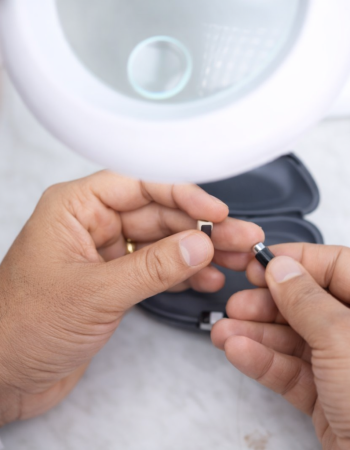
New Hearing Aid Users
People using hearing aids for the first time may need time to adjust to new sounds. Follow-up support helps manage initial discomfort, sound sensitivity and listening expectations.
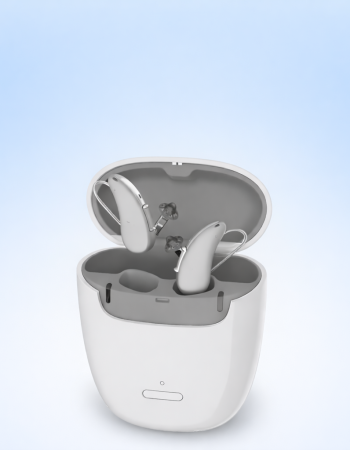
Existing Hearing Aid Users
Regular users can book aftercare when their hearing aids no longer feel as clear, comfortable or effective as before.
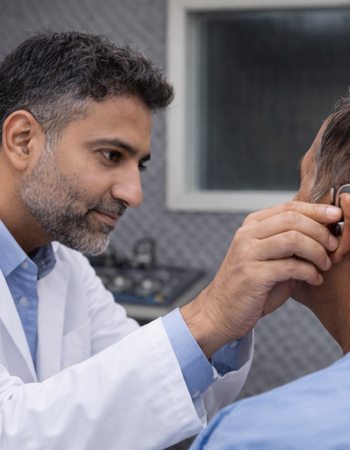
Users Experiencing Fitting Problems
Aftercare may help when the hearing aid feels loose, tight, uncomfortable or difficult to wear for long periods.

What Is Included in Hearing Aid Aftercare?
Hearing aid aftercare is based on the user’s device, hearing needs, listening difficulties and current concerns.
Hearing Aid Fitting Checks
The audiologist checks whether the hearing aid sits comfortably and securely in or behind the ear.
The fitting may be reviewed if the device feels loose, causes pressure, moves frequently or becomes uncomfortable during extended use.
Cleaning and Maintenance Guidance
You receive practical guidance on cleaning the hearing aid, removing visible debris, managing earwax and storing the device safely.
The audiologist may also explain which parts can be cleaned at home and which require professional servicing.
Tube, Dome and Ear Mould Checks
Tubes, domes, filters and ear moulds can wear out, become blocked or affect sound quality over time.
These parts may be inspected and replaced where appropriate based on the device type and condition.
Programming Adjustments
The hearing aid settings may be reviewed when speech sounds unclear, noise feels uncomfortable or the user’s hearing needs have changed.
Adjustments are made according to hearing test results, listening experience and real-life feedback.
Battery and Rechargeable Device Care
Users receive guidance on disposable battery handling, rechargeable device care, charging routines and storage.
The charging unit and device may also be checked when the hearing aid is not charging properly or the battery is draining unusually quickly.
Hearing Aid Usage Counselling
The audiologist explains how to wear, remove, operate and manage the hearing aid during daily activities.
Counselling may also include adapting to new sounds, managing noisy environments and setting realistic expectations.
Follow-Up Hearing Review
A hearing test may be recommended when the user reports a new listening difficulty or when hearing appears to have changed since the previous assessment.
Servicing and Repair Guidance
When a device requires technical servicing or repair, the team explains the next steps and whether the hearing aid needs to be sent to an authorised service centre.
When Should You Book Aftercare Support?
Book a hearing aid aftercare appointment if you notice any of the following concerns:
Whistling or Feedback
A whistling sound may occur because of fitting issues, earwax, loose parts, damaged tubing or incorrect settings.
Discomfort While Wearing the Device
The hearing aid should not cause persistent pain, pressure or irritation. The fit may need to be checked or adjusted.
Low or Weak Sound
Blocked filters, damaged tubing, low battery power, wax build-up or device settings may cause reduced sound output.
Unclear Speech
If voices sound muffled, distorted or difficult to understand, the hearing aid settings or physical components may need review.
The Device Is Not Charging
The hearing aid, charger, charging contacts or power connection may need inspection when the device does not charge correctly.
Reduced Battery Life
Unexpected battery drain may be related to usage patterns, battery condition, connectivity settings or a technical issue.
Difficulty Hearing in New Situations
You may need a programming review if hearing becomes difficult in meetings, restaurants, family gatherings or other listening environments.
Changes in Your Hearing
A new hearing difficulty may require a fresh hearing assessment before adjustments are made.
Loose or Damaged Parts
Domes, tubes, ear moulds, wax guards and other components should be checked when they appear loose, blocked, cracked or worn.
Hearing Aid Aftercare Process
Step 1: Share Your Concern
Tell our team whether you are experiencing discomfort, low sound, unclear speech, charging problems, feedback or another device-related issue.
Step 2: Device and Fitting Review
The audiologist checks the hearing aid, its physical condition and how it fits in or behind the ear.
Step 3: Hearing and Usage Discussion
You will be asked about your daily routine, listening environments, device usage and any recent changes in your hearing.
Step 4: Cleaning, Adjustment or Guidance
Depending on the concern, the audiologist may clean suitable components, review the fitting, adjust programming or provide maintenance guidance.
Step 5: Further Testing or Servicing
A hearing test, device repair, replacement part or authorised servicing may be recommended when required.
Step 6: Follow-Up Plan
The audiologist explains how to care for the device and when the next hearing aid or hearing review should be scheduled.
Adjusting to Your Hearing Aids
Getting used to hearing aids can take time, particularly for first-time users. Everyday sounds may initially seem different, louder or unfamiliar because the brain is beginning to process sounds that may not have been heard clearly for some time.
Regular use and follow-up support can help make this adjustment easier. During aftercare appointments, the audiologist can discuss your listening experience, review your device settings and suggest practical ways to use the hearing aids in different situations.
Do not stop using your hearing aids permanently because of discomfort or unclear sound without discussing the concern with an audiologist. A fitting or programming adjustment may help improve the experience.
How to Care for Your Hearing Aids at Home
Regular care can help maintain sound quality and reduce avoidable device problems.
- Wipe the hearing aid with a clean, dry cloth
- Keep the device away from water and excessive moisture
- Remove visible wax carefully using the recommended tools
- Check domes, tubing and wax guards for blockages
- Store the hearing aid in its case when not in use
- Charge rechargeable hearing aids according to the recommended routine
- Replace disposable batteries when performance becomes weak
- Avoid using sharp objects or household cleaning chemicals
- Keep hearing aids away from children and pets
- Follow the cleaning guidance provided for your specific device
Contact the audiology team when the device remains unclear, weak or uncomfortable after basic cleaning.
Why Choose Resonnocare for Hearing Aid Aftercare?
Audiologist-Guided Support
Aftercare is provided based on your hearing needs, device type, fitting and real-life listening experience.
Support Beyond the Initial Fitting
Hearing aid care continues after the device is fitted. Follow-up appointments help monitor comfort, clarity, usage and adaptation over time.
Personalised Programming Adjustments
Settings are reviewed according to your hearing test results and the difficulties you experience in daily listening situations.
Practical Maintenance Guidance
Our team explains how to clean, charge, store and manage your hearing aids safely at home.
Honest Servicing Recommendations
Not every device concern can be resolved through basic cleaning or programming. When repair, replacement parts or authorised servicing are needed, the next steps are clearly explained.
Continued Hearing Monitoring
Changes in hearing may affect hearing aid performance. A new hearing test may be recommended before adjusting the device when required.
Support for Existing Users
This service is designed to reassure and support people who already use hearing aids, whether their devices were fitted recently or have been used for several years.
Book Hearing Aid Aftercare Support
Get professional support for hearing aid fitting, sound clarity, cleaning, programming, charging concerns and long-term device care. Our audiologists will review your concern, check the device and recommend the appropriate adjustment, hearing assessment or servicing support.
FAQ’s
Why is a hearing-aid review needed after about 14 days?
The first couple of weeks give you time to experience your hearing aids in real-life situations. A review after about 14 days allows the audiologist to check comfort, usage, sound quality, speech clarity, and any problems you have noticed. The hearing aids can then be adjusted based on your actual experience rather than the initial fitting alone.
What happens during the first hearing-aid follow-up?
Your audiologist will usually ask how the hearing aids are working in situations such as conversations, television, phone calls, meetings, and background noise. They may inspect and clean the devices, check the fit, review usage data where available, and make programming adjustments if needed.
Can the audiologist see how many hours I have used my hearing aids?
Many modern hearing aids store data-logging information, which can show average daily wearing time and sometimes the types of listening environments you have experienced. This information can help your audiologist understand how consistently the devices are being used and guide further adjustments.
How many hours per day should I wear my hearing aids?
The goal for many hearing-aid users is to wear them consistently during most waking hours, once they are comfortable with them. New users may need to build up wearing time gradually. Your audiologist can recommend a schedule based on your hearing loss, comfort, and individual needs.
What gets adjusted during the 14-day review?
Your audiologist may adjust overall amplification, specific frequency ranges, loudness levels, speech settings, background-noise management, feedback control, and other features. The physical fit may also be reviewed if the hearing aids feel uncomfortable or unstable.
What should I tell my audiologist at the first follow-up?
Be specific about where you are having difficulty. Mention whether speech is unclear, sounds are too loud or too soft, your own voice sounds unusual, background noise is distracting, the hearing aid whistles, or the device feels uncomfortable. It can help to note particular situations during the first two weeks and discuss them at your appointment.
What if I hardly used my hearing aids during the first two weeks?
Tell your audiologist. Limited use may mean you have not had enough time to adapt to the devices, but it may also indicate problems with comfort, sound quality, handling, or expectations. Your audiologist can identify the reason and help make the hearing aids easier to use.
Can hearing aids be fine-tuned more than once?
Yes. Hearing aids can usually be adjusted several times. Fine-tuning is often part of the normal adaptation process, especially during the first few weeks or months. Further adjustments may also be needed later if your hearing or listening requirements change.
How do I know if my hearing aid needs reprogramming?
Reprogramming may be useful if speech has become less clear, some sounds are consistently too loud or too soft, background noise has become difficult to manage, or your hearing has changed. A noticeable difference between the two ears or a decline in benefit can also be a reason to schedule a review.
How often should hearing aids be professionally checked?
The schedule depends on the device and your hearing needs, but regular professional reviews are recommended. Many people benefit from a check every 6 to 12 months, with earlier appointments if there are problems with sound, comfort, performance, or hearing changes.
Can my hearing change after getting hearing aids?
Yes. Hearing can change gradually or sometimes more quickly depending on the underlying cause. If you notice a clear change in hearing or find that your hearing aids are no longer providing the same benefit, a repeat hearing assessment may be needed.
How often should I repeat my hearing test?
For someone already using hearing aids, a hearing test is commonly repeated around once a year, although your audiologist may recommend a different schedule based on your hearing history and symptoms. You should be tested earlier if you notice a sudden or significant change.
Is aftercare as important as choosing the device?
Yes. The hearing aid itself is only one part of successful hearing care. Proper fitting, programming, follow-up reviews, maintenance, hearing reassessment, and ongoing fine-tuning all affect how well the devices perform in everyday life.