

Programs at Resonnocare
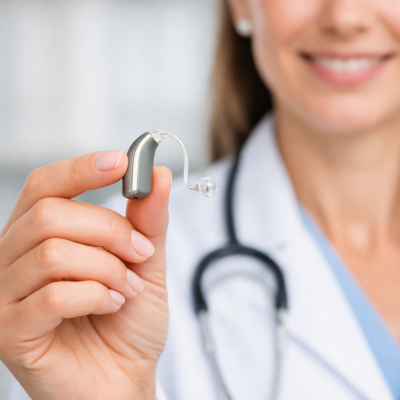
At Resonnocare, hearing aids are supported through a structured Hearing Aid Listening Programme designed to help patients adapt comfortably, use their devices effectively and achieve the best possible listening outcomes.
Guides you step by step
—From the first day of use to long-term maintenance and follow-up.

14 +
years of Exp in Hearing Care

Care, Maintenance and Daily Use
Patients are trained on correct insertion, cleaning and storage of hearing aids. Guidance is also provided on charging, battery care and use of accessories.
Why this matters:
Proper maintenance ensures consistent performance and extends the life of the hearing aids.
When to Contact Resonnocare
You should reach out to our team if:
Guides you step by step
—From the first day of use to long-term maintenance and follow-up.
Getting Started (Day 1 to Day 3)
When you first receive your hearing aids, our audiologists programme them based on your hearing test results and daily listening needs. During the initial days, you are encouraged to wear the hearing aids for short periods in quiet environments.
What to expect:
Sounds may feel new or different at first. This is normal as the brain begins to re-learn sounds it may not have heard clearly for some time.
Building Listening Confidence (Day 4 to Day 7)
As comfort improves, wearing time is gradually increased. You are guided to use hearing aids during conversations, phone calls and simple outdoor activities.
What to focus on:
Pay attention to speech clarity, comfort and any situations where listening feels difficult. These observations help fine-tune settings.
Everyday Listening and Program Use (Week 2 onwards)
Once basic comfort is established, different listening programmes are introduced. These may include automatic, noise, music or television programmes based on your lifestyle.
What this achieves:
You learn when and how to use listening programmes to improve clarity in real-life environments such as restaurants, meetings and social gatherings.
Fine-Tuning and Optimisation
Follow-up appointments are scheduled to adjust settings based on your feedback. Minor changes in sound balance, volume or noise control can significantly improve comfort.
Support options:
In many cases, fine-tuning can be done remotely, reducing the need for frequent clinic visits.
Getting Started (Day 1 to Day 3)
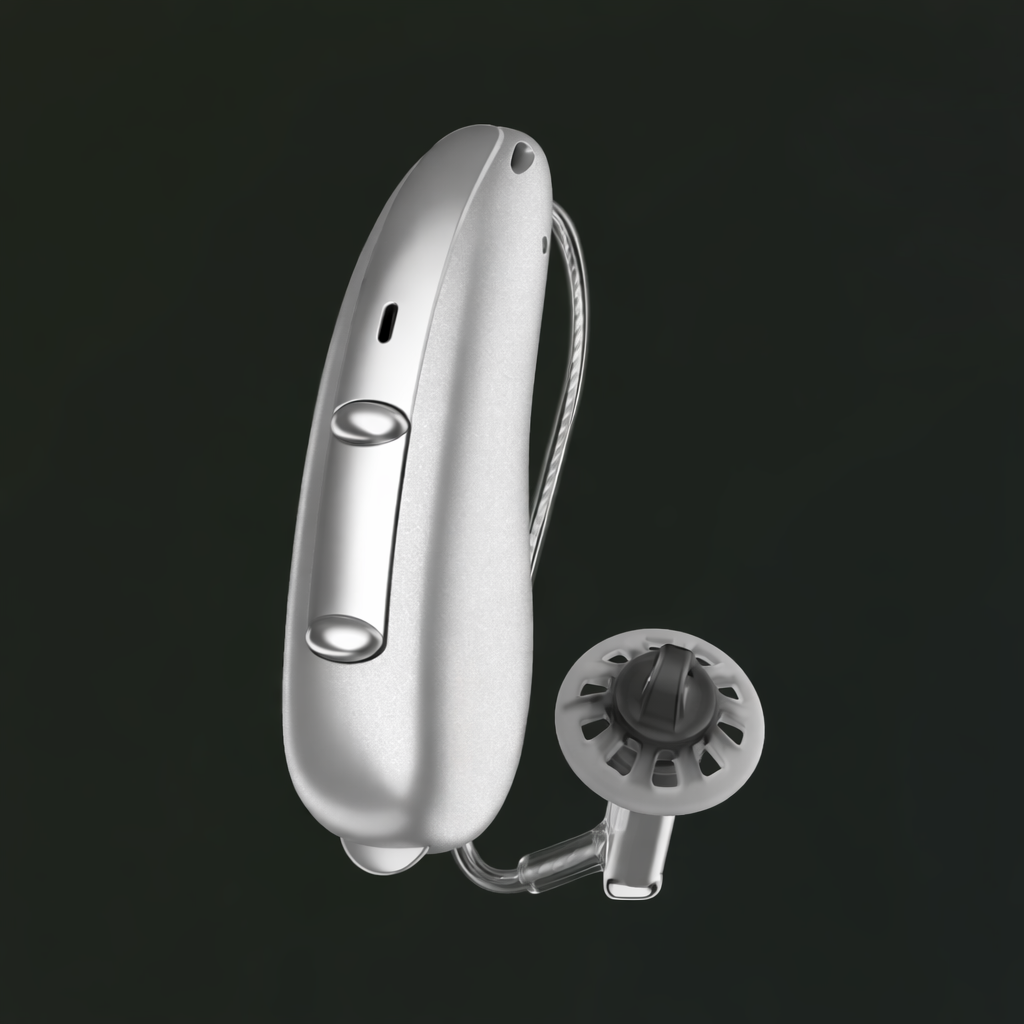
When you first receive your hearing aids, our audiologists programme them based on your hearing test results and daily listening needs. During the initial days, you are encouraged to wear the hearing aids for short periods in quiet environments.
What to expect: Sounds may feel new or different at first. This is normal as the brain begins to re-learn sounds it may not have heard clearly for some time.
Building Listening Confidence (Day 4 to Day 7)
As comfort improves, wearing time is gradually increased. You are guided to use hearing aids during conversations, phone calls and simple outdoor activities.
What to focus on: Pay attention to speech clarity, comfort and any situations where listening feels difficult. These observations help fine-tune settings.
Everyday Listening and Program Use (Week 2 onwards)
Once basic comfort is established, different listening programmes are introduced. These may include automatic, noise, music or television programmes based on your lifestyle.
What this achieves: You learn when and how to use listening programmes to improve clarity in real-life environments such as restaurants, meetings and social gatherings.
Fine-Tuning and Optimization
Follow-up appointments are scheduled to adjust settings based on your feedback. Minor changes in sound balance, volume or noise control can significantly improve comfort.
Support options: In many cases, fine-tuning can be done remotely, reducing the need for frequent clinic visits.
Care, Maintenance and Daily Use
Patients are trained on correct insertion, cleaning and storage of hearing aids. Guidance is also provided on charging, battery care and use of accessories.
Why this matters: Proper maintenance ensures consistent performance and extends the life of the hearing aids.
When to Contact Resonnocare
You should reach out to our team if:
Getting Started (Day 1 to Day 3)
When you first receive your hearing aids, our audiologists programme them based on your hearing test results and daily listening needs. During the initial days, you are encouraged to wear the hearing aids for short periods in quiet environments.
What to expect:
Sounds may feel new or different at first. This is normal as the brain begins to re-learn sounds it may not have heard clearly for some time.
Building Listening Confidence (Day 4 to Day 7)
As comfort improves, wearing time is gradually increased. You are guided to use hearing aids during conversations, phone calls and simple outdoor activities.
What to focus on:
Pay attention to speech clarity, comfort and any situations where listening feels difficult. These observations help fine-tune settings.
Everyday Listening and Program Use (Week 2 onwards)
Once basic comfort is established, different listening programmes are introduced. These may include automatic, noise, music or television programmes based on your lifestyle.
What this achieves:
You learn when and how to use listening programmes to improve clarity in real-life environments such as restaurants, meetings and social gatherings.
Fine-Tuning and Optimisation
Follow-up appointments are scheduled to adjust settings based on your feedback. Minor changes in sound balance, volume or noise control can significantly improve comfort.
Support options:
In many cases, fine-tuning can be done remotely, reducing the need for frequent clinic visits.
Care, Maintenance and Daily Use
Patients are trained on correct insertion, cleaning and storage of hearing aids. Guidance is also provided on charging, battery care and use of accessories.
Why this matters:
Proper maintenance ensures consistent performance and extends the life of the hearing aids.
When to Contact Resonnocare
You should reach out to our team if:
Ready to Discover Better Hearing?
At Resonnocare, hearing aids are not just devices—they are part of a guided care journey.
Schedule your comprehensive hearing evaluation and explore the possibilities.
