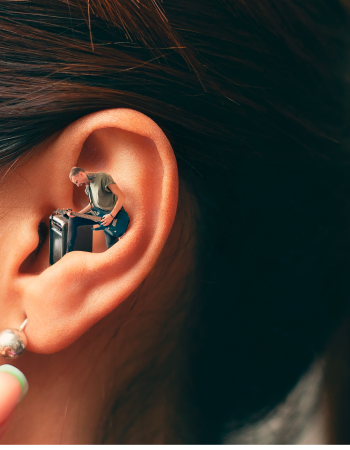

Smart Sound Technology (AI-Enabled Sound Processing)
Smart sound technology allows hearing aids to automatically adjust to different environments such as quiet rooms, busy streets or crowded gatherings. How it helps: You do not need to manually change settings. Sound feels more natural and comfortable as you move through your day.
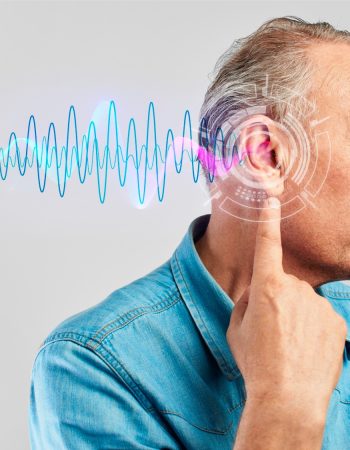
Directional Hearing for Clear Conversations
Directional hearing focuses on speech coming from in front of you while reducing surrounding noise. How it helps: Conversations become easier to follow in meetings, family gatherings and restaurants, reducing listening effort and fatigue.
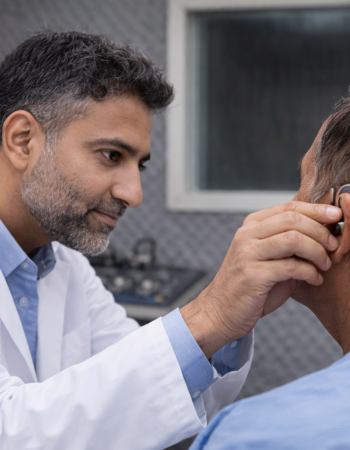
Feedback Management (No Whistling Sounds)
Modern hearing aids are designed to prevent whistling or squealing sounds, even when you hug someone or use the phone. How it helps: You can wear your hearing aids confidently without discomfort or embarrassment.
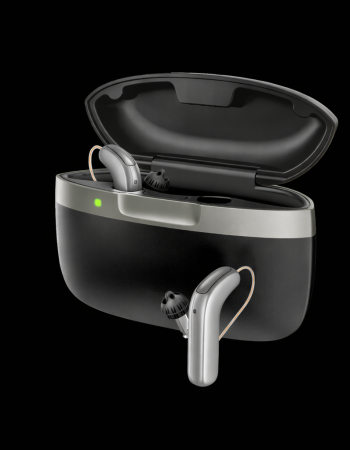
Rechargeable Batteries for All-Day Use
Rechargeable hearing aids are charged once a day, similar to a mobile phone, eliminating the need for frequent battery changes. How it helps: This makes daily use simpler, especially for older adults, and ensures reliable hearing throughout the day.

Wireless Streaming from Phones, TVs and Devices
Hearing aids can connect wirelessly to mobile phones, televisions and other devices. How it helps: Phone calls, video calls and TV audio are streamed directly into your hearing aids, making sound clearer and more personalised.

Connectivity with Android and iOS Devices
Modern hearing aids are compatible with both Android and iOS smartphones through dedicated apps. How it helps: You can control volume, switch listening modes and monitor battery levels easily using your phone.
Remote Fine-Tuning and Programming
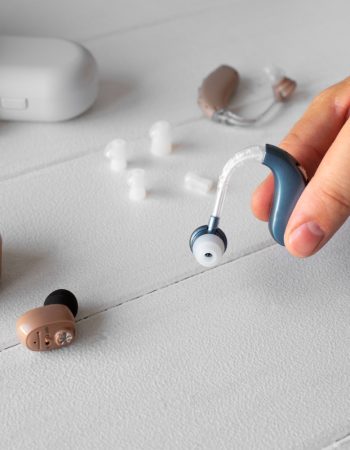
Audiologists can adjust hearing aid settings remotely, without requiring a clinic visit. How it helps: Minor changes can be made quickly and conveniently, saving time while ensuring continued comfort and clarity.