

Introduction
Your ears play a vital role in hearing and balance, and even minor concerns can affect daily life. At Resonnocare, we diagnose and manage ear-related symptoms and conditions with the aim of preserving hearing function and overall wellbeing. Early identification and timely care help prevent complications and long-term damage.

Ear
Pain
Ear pain may be sharp or dull, mild or severe. Common causes include ear infections, impacted earwax, pressure changes or injury. Children are particularly prone to ear infections. Persistent or severe pain requires professional evaluation.

Ear
Discharge
Any fluid discharge from the ear—clear, yellow, green or blood-stained—should be assessed promptly. Discharge may indicate infection, injury or eardrum problems and should not be ignored.

Hearing
Loss
Hearing loss may develop gradually or occur suddenly. Causes include earwax blockage, infections, ageing, noise exposure or inner ear conditions. Sudden hearing loss is a medical concern and needs urgent assessment.
Tinnitus
(Ringing in the Ears)
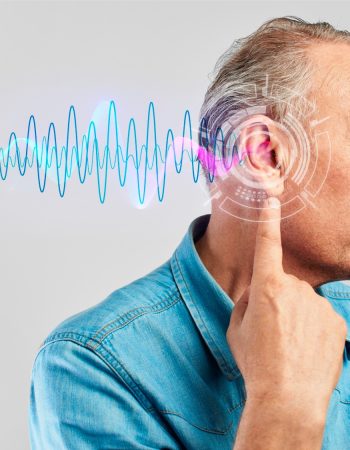
Tinnitus presents as ringing, buzzing or hissing sounds without an external source. While common and often not dangerous, it can affect sleep, concentration and quality of life. Clinical evaluation helps identify causes and management options.

Vertigo and
Dizziness
A spinning sensation or imbalance often originates from the inner ear. These symptoms increase the risk of falls and require accurate diagnosis to guide appropriate care.

Ear Fullness or Blocked Sensation
A feeling of pressure or blockage in the ear may result from colds, allergies, earwax or Eustachian tube dysfunction. While often temporary, persistent fullness should be evaluated.

Common Ear Conditions
At Resonnocare, ear conditions are evaluated through detailed clinical examination and appropriate diagnostic tests. Hearing tests, middle ear analysis and specialised audiology assessments help identify the exact cause of symptoms and guide appropriate treatment.
An infection of the outer ear canal, commonly caused by moisture, water exposure or frequent ear cleaning. Symptoms include ear pain, itching and discharge.
How testing helps: Otoscopic examination helps identify infection and inflammation of the ear canal.
Treatment involves medicated ear drops, keeping the ear dry and avoiding further irritation. Earplugs may be advised to protect the ear from water exposure during treatment and recovery, based on clinical assessment.
A common condition, especially in children, often following colds or upper respiratory infections. It may cause ear pain, fever and temporary hearing loss.
How testing helps: Ear examination and middle ear tests help assess fluid and pressure behind the eardrum.
Treatment depends on age and severity and may include medication, monitoring and follow-up.
Occurs when pressure regulation between the ear and throat is impaired, leading to ear fullness, discomfort or muffled hearing. It is often associated with colds, sinus issues or allergies.
How testing helps: Tympanometry helps assess middle ear pressure and Eustachian tube function.
Treatment focuses on managing the underlying cause and relieving pressure symptoms.
A tear or hole in the eardrum caused by infection, trauma or sudden pressure changes, which may lead to hearing loss or discharge.
How testing helps: Ear examination and hearing tests assess the size of perforation and its impact on hearing.
Treatment depends on severity; smaller perforations may heal naturally, while larger ones may need surgical repair.
An abnormal skin growth behind the eardrum that can damage middle ear structures if untreated. It often presents with persistent discharge and hearing loss.
How testing helps: Hearing tests and imaging support diagnosis and treatment planning.
Treatment is usually surgical to prevent further damage.
A disorder of the inner ear characterised by episodes of vertigo, fluctuating hearing loss, tinnitus and ear fullness. How testing helps: Hearing tests track hearing changes and support diagnosis over time. Treatment focuses on symptom control through medication, dietary changes and lifestyle guidance.
An inner ear condition, often viral, causing sudden vertigo, balance disturbance and hearing changes. How testing helps: Hearing and balance assessments help distinguish labyrinthitis from other causes of dizziness. Treatment includes medication to control symptoms and follow-up to monitor recovery.
A non-cancerous tumour affecting the hearing and balance nerve, usually causing gradual hearing loss in one ear. How testing helps: Hearing tests help identify asymmetrical hearing loss, prompting further evaluation. Treatment may involve monitoring, radiotherapy or surgery based on findings.
Abnormal bone growth in the middle ear leading to progressive hearing loss.
How testing helps: Hearing tests help identify conductive hearing loss patterns typical of otosclerosis. Treatment may include hearing devices or surgical options.
A condition where every day sounds are perceived as uncomfortably loud, often associated with tinnitus or hearing changes.
How testing helps: Loudness discomfort testing helps assess sound tolerance levels. Treatment focuses on sound therapy, counselling and gradual sound exposure.
How Resonnocare Helps
At Resonnocare, ear conditions are managed through a clinically guided approach that combines accurate testing, careful diagnosis and personalised care planning.
Connect with an EAR360 clinic to schedule an evaluation or speak with our team.

